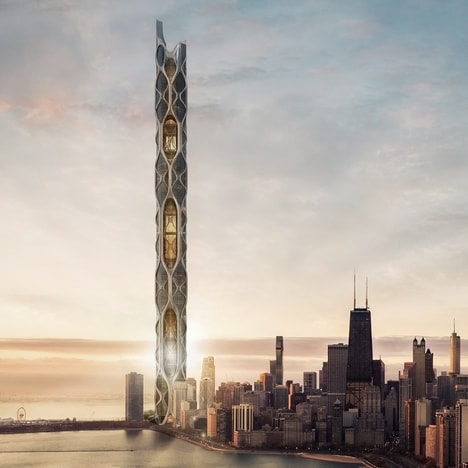
This half mile-high skyscraper will house an entire Chinese city. The world’s tallest skyscraper will house an entire Chinese city and is set to begin construction next month in the city of Changsha, China. Along with being the tallest skyscraper on earth, it will also become the equivalent of a whole city; this is a sustainable way to accommodate China’s massive, rapidly growing population.
The company responsible for this amazing building is Broad Sustainable Construction. The company says that the Sky City concept will reduce the per capita use of land, which will also drastically reduce emissions. A person living in this vertical city would be using 1/100th of the land compared to a normal city dweller.
This new concept for a Chinese city is absolutely incredible. The building will literally have all of the same functions and amenities as a regular city.
What's Driving This Trend
- City-sized Skyscrapers
- The trend of building city-sized skyscrapers provides an innovative solution for accommodating rapidly growing populations with limited land resources.
- Sustainable Urbanization
- The concept of reducing per capita use of land and emissions through skyscraper cities presents a sustainable solution for urbanization.
- Vertical Living
- The trend towards vertical living creates opportunities for space-saving innovations within the building industry.
Who This Affects Most
- Construction Industry
- The construction industry can capitalize on the trend of building city-sized skyscrapers through innovative design, engineering, and construction approaches.
- Real Estate Industry
- The real estate industry can explore market opportunities within the trend of vertical living and sustainable urbanization.
- Architecture Industry
- The architecture industry can innovate new solutions for designing and integrating sustainable, high-density living spaces into urban environments.