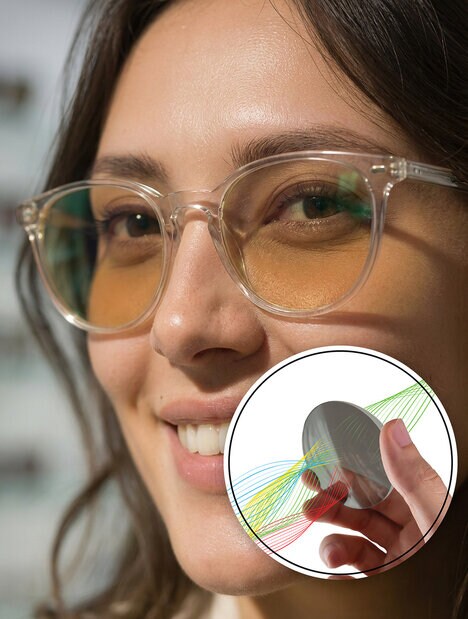
Essilor's childhood myopia management lenses offer families a specialized approach to addressing nearsightedness in children by helping slow its progression rather than simply correcting blurry vision. The Stellest lenses provide an evidence-based option for managing changes in eyesight, supporting earlier intervention and long-term visual health.
The lenses recently earned recognition in TIME's Best Inventions of 2026 Health and Wellness category. They also became the first spectacle lenses authorized by the U.S. Food and Drug Administration to slow childhood myopia progression, receiving market authorization in September 2025. This distinction followed an earlier FDA Breakthrough Device designation in 2021.
The recognition could strengthen Essilor's position in pediatric vision care while increasing awareness among families and eye care professionals. As childhood nearsightedness becomes more widespread, specialized lenses may create additional opportunities for providers to expand preventive eye care services.
Image Credit: Essilor Stellest
What's Driving This Trend
- Pediatric Vision Intervention
- Specialized eyewear that slows condition progression signals a shift from corrective care toward earlier, preventive vision management for children.
- Regulated Wellness Devices
- FDA-authorized consumer health products create credibility-driven openings for brands bridging medical validation and everyday family wellness.
- Progression-slowing Lenses
- Optical technologies designed to manage underlying visual changes introduce new value beyond traditional prescription upgrades.
Who This Affects Most
- Eyewear
- Children’s therapeutic lenses expand the role of spectacle makers from vision correction into long-term eye health management.
- Pediatric Healthcare
- Rising childhood myopia rates support new care pathways that combine routine screening, early diagnosis, and device-based intervention.
- Optometry
- Evidence-based myopia management products give eye care providers a foundation for differentiated preventive services and recurring patient relationships.