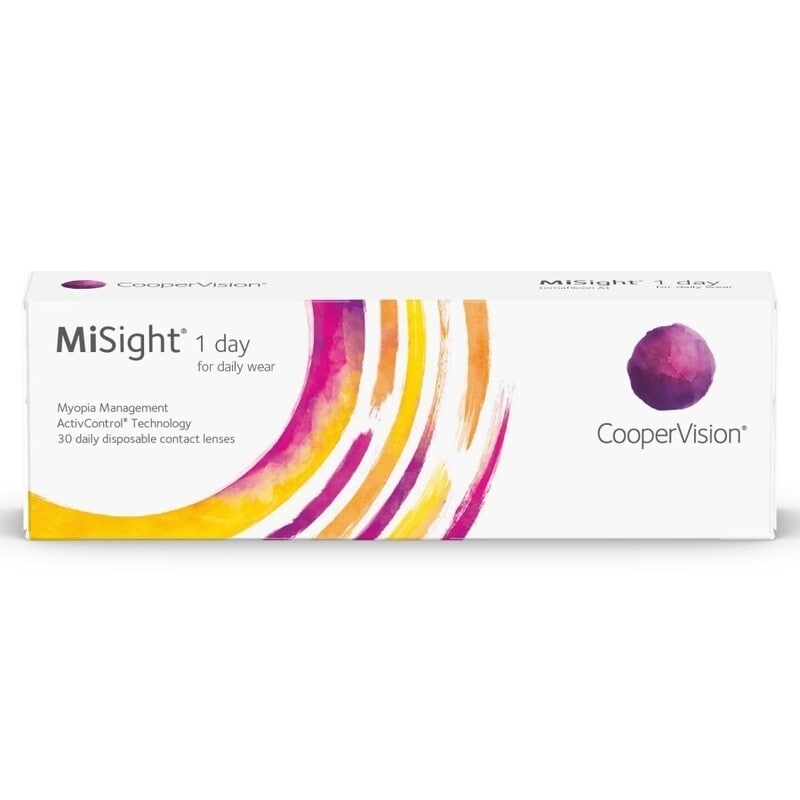
CooperVision has officially introduced its MiSight® 1 Day Myopia Control Contact Lens for commercial distribution in Japan. This specific lens is designed to serve the dual purpose of correcting nearsightedness in children while also actively slowing the advancement of the condition. It represents the first product of its category to receive regulatory authorization from Japanese health officials for this combined use.
The primary appeal of CooperVision's MiSight® 1 Day Myopia Control Contact Lens is its clinically substantiated capability to address a progressive health concern rather than merely treating a static visual symptom. As such, it could be said that the product offers proactive intervention during a child's developmental years when myopia typically worsens most rapidly. This is particularly significant as it is estimated that "myopia affects nearly one in three children worldwide."
Image Credit: CooperVision
What's Driving This Trend
- Pediatric Myopia Management
- Rising clinical focus on slowing childhood myopia progression through optical interventions, presenting opportunities for devices that influence ocular development rather than only correcting vision.
- Regulatory-approved Therapeutic Contacts
- Regulatory acceptance of contact lenses as both corrective and therapeutic devices, creating scope for novel lens designs validated by clinical outcomes.
- Daily Disposable Therapeutic Lenses
- The convergence of single-use convenience with treatment intent points to product formats that combine hygiene benefits with measurable disease-modifying effects.
Who This Affects Most
- Ophthalmology and Optometry
- Clinical practice patterns are likely to evolve as eye care professionals integrate growth-modulating lenses into pediatric care protocols, reshaping standard-of-care options.
- Contact Lens Manufacturing
- Manufacturers face demand for materials and optics engineered for therapeutic performance, prompting innovation in lens fabrication, coatings, and distribution models.
- Pediatric Healthcare Technology
- Digital monitoring and diagnostics for childhood eye growth could become complementary to therapeutic lenses, enabling data-driven personalization of myopia interventions.