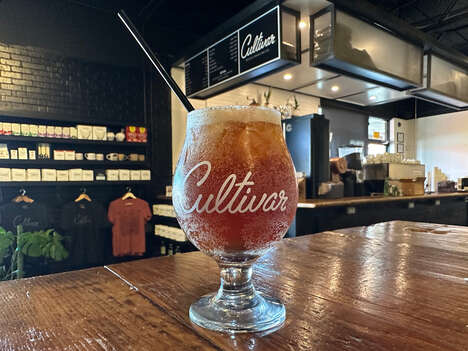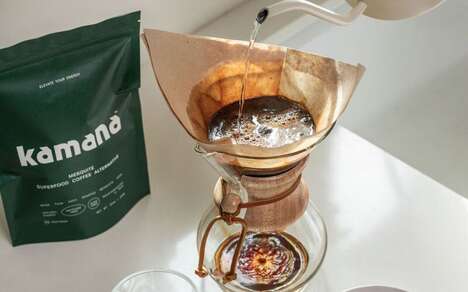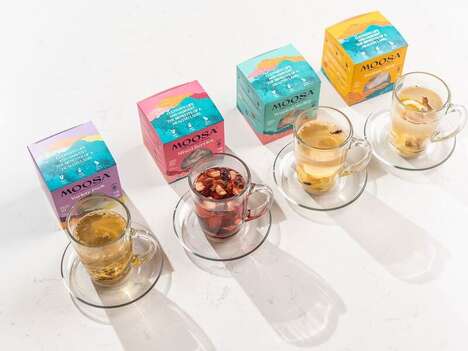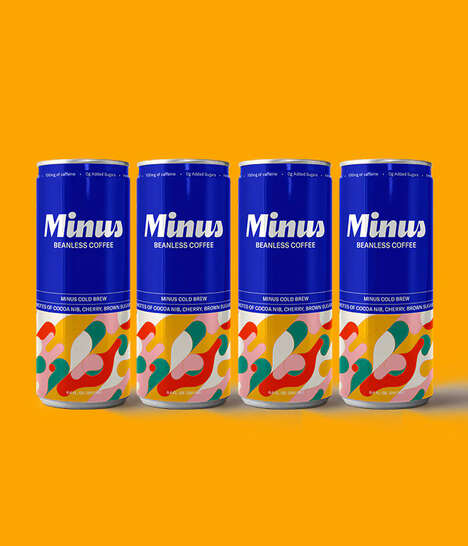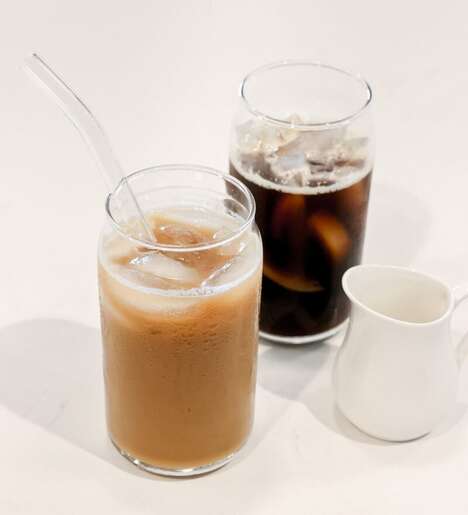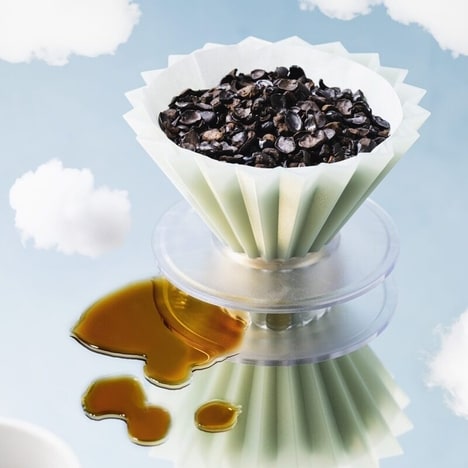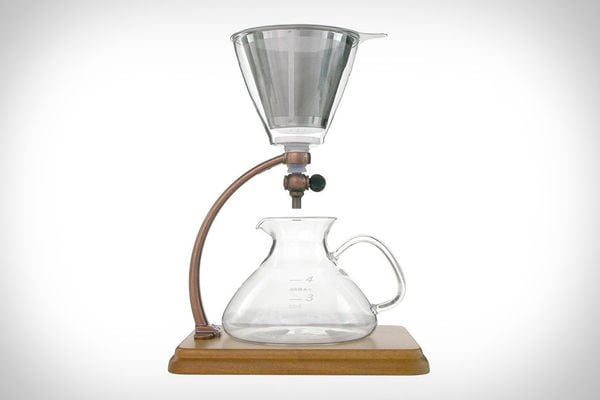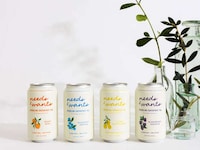

Cascara is the latest hot beverage drink to hit the market offering consumers a coffee tea hybrid with properties of both beverages. The drink is made using the unused leftover skin of coffee offering a tea-like taste with the caffeine benefits of java. The process of reusing the coffee bean skin also offers an environmentally friendly way to upcycle the leftover residue.
Coffee beans are a fruit-based plant and the peel of the bean is just as much of a useable product as the bean itself. The Cascara drink is made by steeping the skin and releasing an herbal liquid that has the taste of tea made from a coffee product. The liquid can be enjoyed either hot or cold and it offers a marketable use for a product that is otherwise thrown away.
What's Driving This Trend
- Upcycling Coffee Bean Skin
- The innovative use of coffee bean skin as a beverage ingredient presents opportunities for sustainable and eco-friendly practices, as well as creative culinary mixology and product design.
- Blending Coffee and Tea
- The creation of hybrid coffee tea beverages, such as Cascara, can tap into a market of consumers seeking unique flavor profiles and health benefits that combine the world's most popular hot beverages.
- Herbal Flavors and Infusions
- The use of herbal infusions and natural flavorings from coffee and tea by-products can cater to a growing demand for health-conscious and organic-driven consumers who seek variety and high-quality products.
Who This Affects Most
- Coffee Production and Retail
- Coffee producers and retailers can leverage the use of coffee bean skin, as well as innovative brewing techniques, to diversify their product lines and appeal to a wider customer base.
- Tea Production and Retail
- Tea producers and retailers can collaborate with coffee industry partners to create new hybrid beverages, and also explore ways to incorporate coffee by-products in their production processes to achieve higher sustainability and lower waste.
- Food and Beverage Industry
- The blending of coffee and tea, as well as the use of coffee by-products and herbal infusions, can inspire new culinary creations and menu items for restaurants, cafes, and bars, and provide new revenue streams and market differentiators.