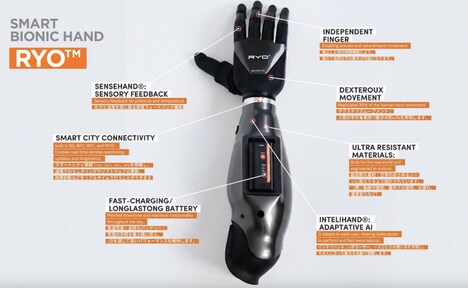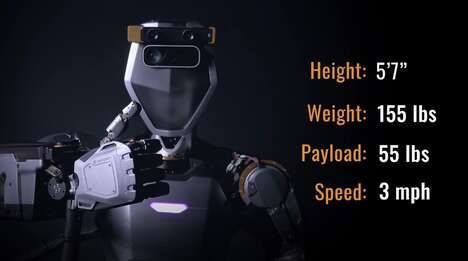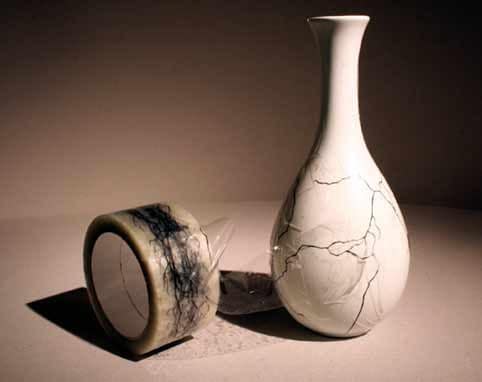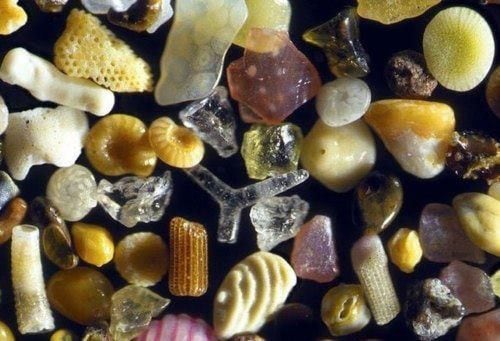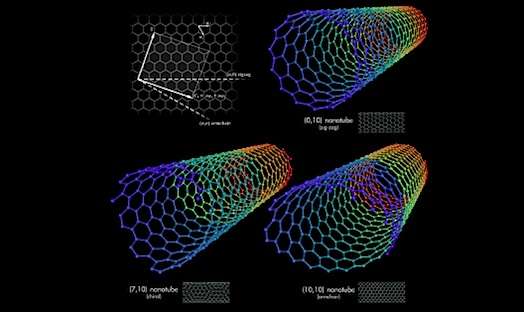
Although used for many other industries, Oak Ridge National Laboratory has discovered a way to create a robotic sense of touch through its fibers using carbon nanotubes.
Mimicking nerve pathways, carbon nanotubes map out a more complex system of touch for potential prosthetic developments. Although such discoveries can help many disabled individuals across the globe, I wonder what it might entail for purely robotic experiments?
Why This Trend Is Growing
- Robotic Touch Sensation
- Developing carbon nanotubes to replicate the sense of touch in robotics presents disruptive innovation opportunities in fields like healthcare and manufacturing.
- Prosthetic Enhancements
- Integrating carbon nanotubes to mimic nerve pathways opens doors for disruptive innovation in the prosthetics industry, enabling more advanced and lifelike artificial limbs.
- Advanced Sensory Systems
- Exploring the use of carbon nanotubes to create a more complex touch system can lead to disruptive innovation opportunities in industries such as virtual reality and gaming.
Industries Being Reshaped
- Healthcare
- Carbon nanotube-based touch replication could revolutionize the healthcare industry by improving the functionality and sensory perception of prosthetics.
- Manufacturing
- Implementing carbon nanotube touch sensors in manufacturing processes can enhance human-robot collaboration, leading to more efficient and precise production.
- Prosthetics
- The application of carbon nanotubes for replicating touch in prosthetic limbs holds disruptive innovation potential, enabling more natural and intuitive user experiences.