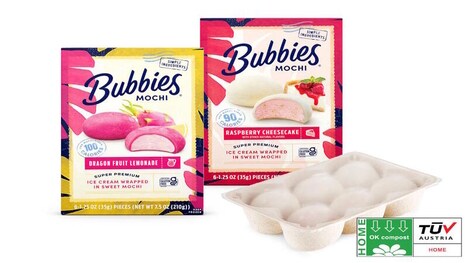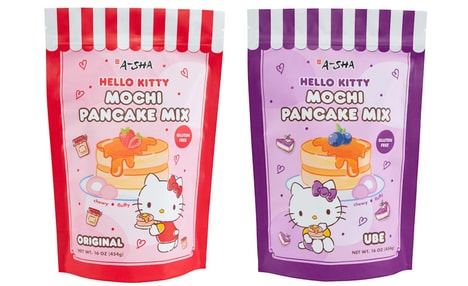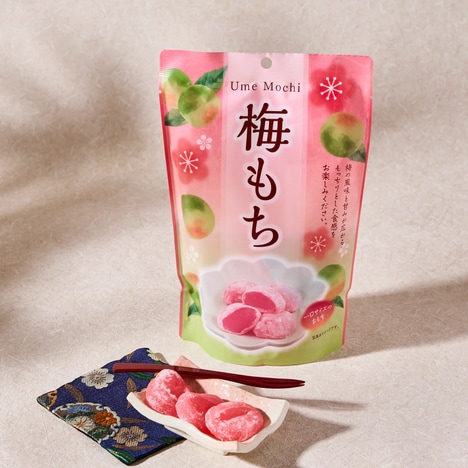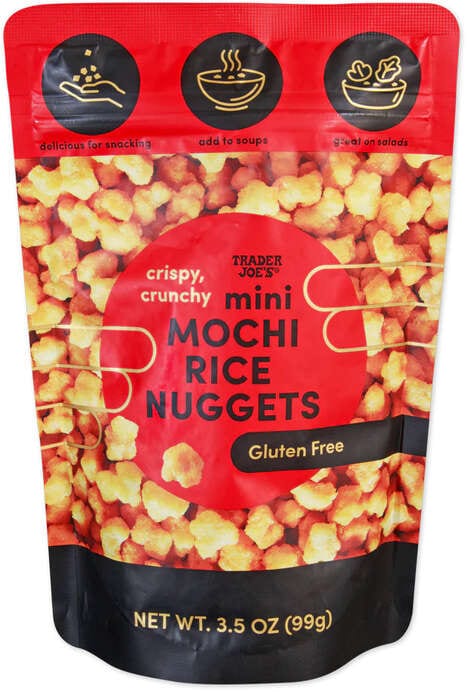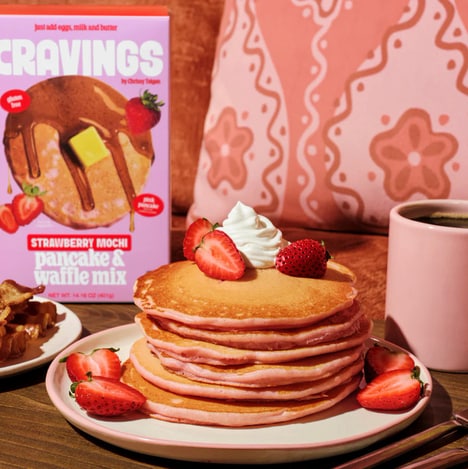
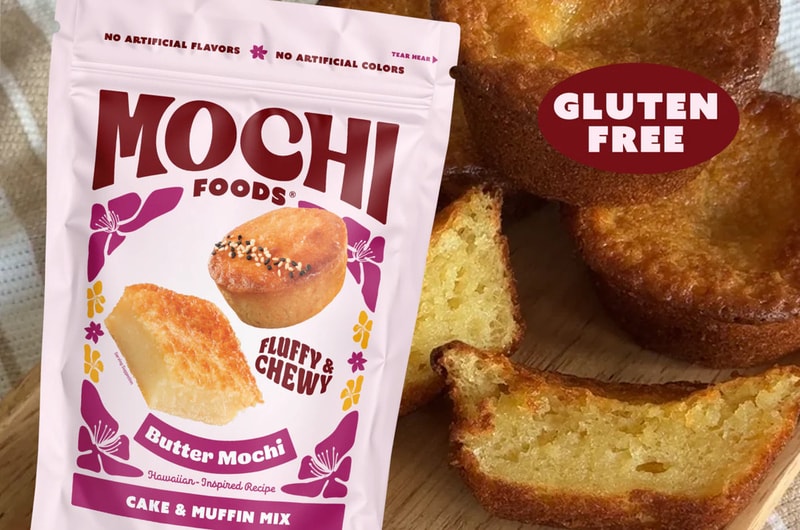
Alongside adventurous, globally inspired flavors, texture is having a moment, and nowhere is that more apparent than in baked goods taking on the signature chew, bounce and pillowy density of mochi, as seen in Mochi Foods' Butter Mochi Cake & Muffin Mix.
This Hawaii-inspired recipe promises an elevated flavor and the brand's signature mochi texture, made possible with a gluten-free combination of sweet rice flour, tapioca starch, chicory root fiber, pea protein powder and baking powder. To achieve a buttery look and taste in its Butter Mochi Cake & Muffin Mix, Mochi Foods included a natural butter powder, which makes the most of annatto and turmeric for color. Creating chewy, fluffy cakes and muffins in minutes with this baking mix only calls for a few fresh additions: milk or coconut milk, eggs, butter, and sugar.
What's Driving This Trend
- Texture-forward Baked Goods
- The rise of mochi-like chewiness in pastries opens opportunities for novel product formats that prioritize mouthfeel alongside flavor.
- Global-inspired Flavor Blends
- Fusion profiles that marry Hawaiian and Asian dessert notes are creating hybrid taste experiences that could redefine mainstream sweet bakers' portfolios.
- Gluten-free Functional Baking Mixes
- Mixes that combine sweet rice flour, tapioca starch and pea protein indicate a shift toward formulations that deliver both desirable texture and nutritional claims without gluten.
Who This Affects Most
- Packaged Baking Mixes
- Retail-ready mixes engineered to reproduce artisanal, chewy textures could disrupt traditional shelf-stable baking categories.
- Plant-based and Alternative Proteins
- The use of pea protein as a structural and textural ingredient suggests alternative proteins may supplant conventional binders in many baked goods.
- Specialty Ingredient Suppliers
- Demand for natural colorants, chicory fiber and functional starches points to suppliers creating tailored ingredient systems to replicate ethnic textures at scale.