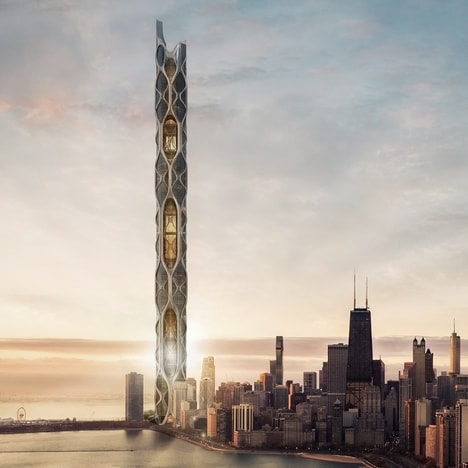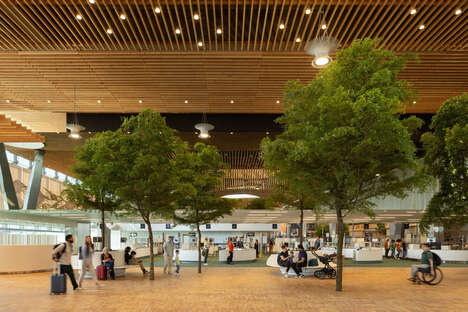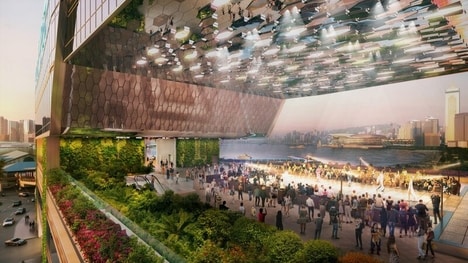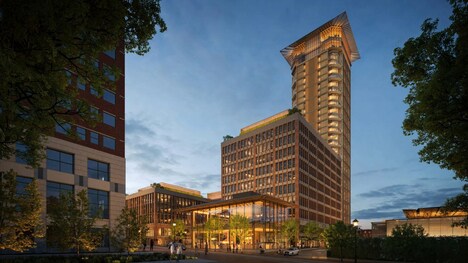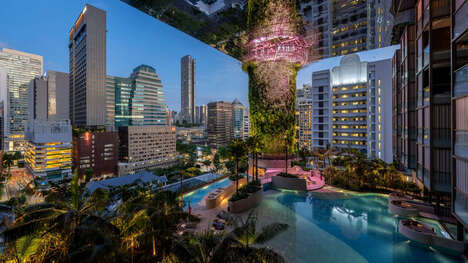
Broadway Corridor, a central downtown neighborhood in Portland, Oregon, is set for a redevelopment project spearheaded by Kaven + Co. and William / Kaven Architecture. Concept images for the master plan have recently been released, and they feature a striking pair of skyscrapers with a unique connective trait. The two towers will be connected by a sky bridge in the upper third of the buildings, and that bridge will house a botanical garden.
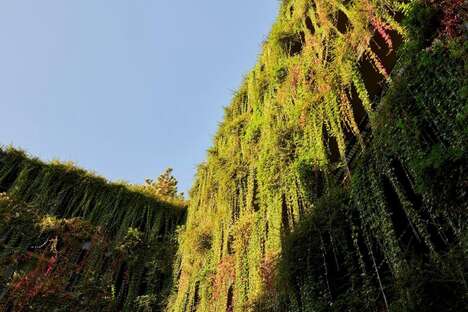
Green space within skyscrapers is increasingly being viewed as the future of urban living. In the early days of North American metropolises, planners worked parks into cities in order to break up the monotonous grey of block upon concrete block. As cities today are growing upward rather than outward, advances in engineering have allowed architects to conceive of the same green spaces and public parks embedded directly in buildings.
Key Themes Behind This Trend
- Vertical Gardens
- The integration of green spaces within skyscrapers presents opportunities for the development of vertical gardens, introducing nature into urban environments.
- High-rise Connectivity
- The use of sky bridges in skyscrapers creates new possibilities for connecting buildings and fostering community within urban spaces.
- Urban Sustainability
- The incorporation of botanical gardens into high-rise buildings promotes sustainable practices and helps combat the environmental challenges of urbanization.
Where This Applies
- Architecture and Design
- Architects and designers can explore innovative strategies for incorporating green spaces and sky bridges into their building projects to enhance urban living experiences.
- Urban Planning
- Urban planners can leverage the concept of botanical skyscraper bridges to create more sustainable and livable cities that prioritize the well-being of residents.
- Sustainable Construction
- The development of botanical gardens within high-rise buildings presents opportunities for the construction industry to implement sustainable practices and materials.