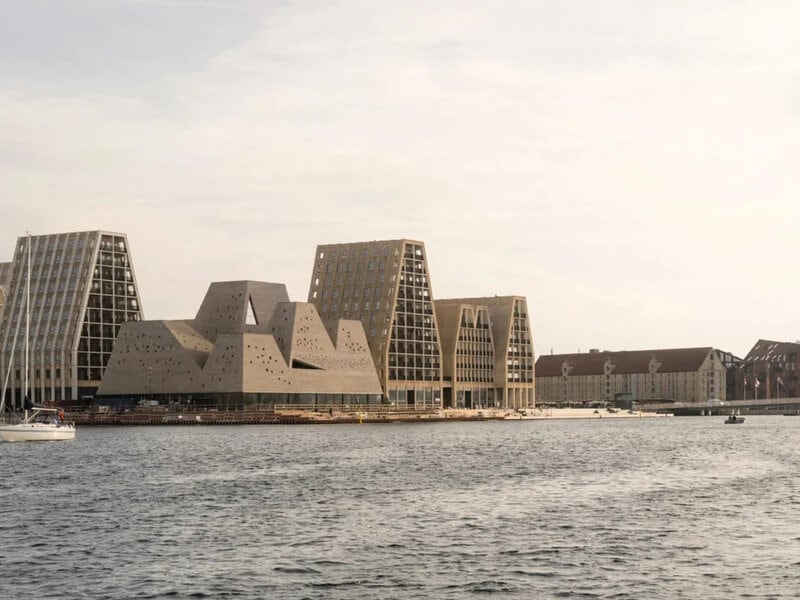
Architecture studio Kengo Kuma & Associates has designed KAI, a new public bathhouse opening on Copenhagen's waterfront on 5 December 2026. Located on Papirøen, the 5,800-square-metre building will bring together swimming pools, relaxation areas and spaces for cultural events, giving visitors more than just somewhere to swim.
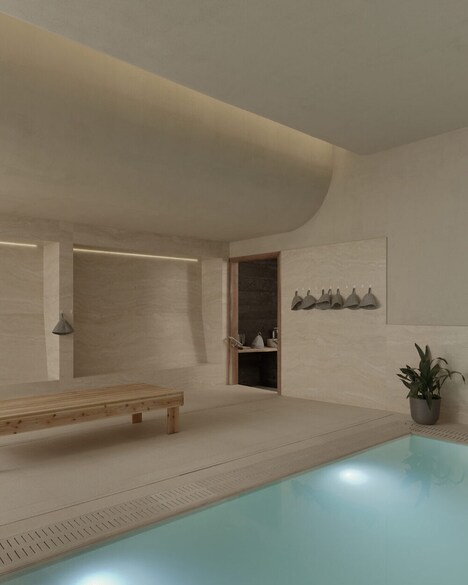
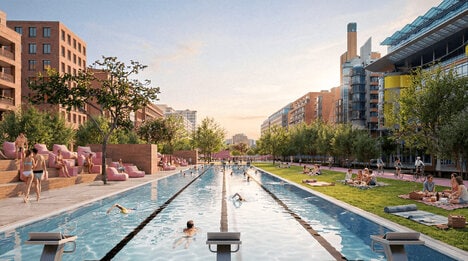
The building is made from around 300,000 handmade bricks, arranged in layers across five tower-like sections. At the centre is an outdoor pool surrounded by the towers, while inside, visitors will find a 25-metre swimming pool for lengths and a heated Japanese-style bathing pool, known as an onsen, overlooking the harbour. Large windows at the base of the building help keep the waterfront visible and connected to the surrounding area.
With its mix of swimming, relaxation and cultural activities, KAI is designed as a public gathering place as much as a sports facility. Its location by the water also gives visitors a chance to enjoy Copenhagen's harbour while making use of the new space.
Image Credit: Kengo Kuma & Associates
What's Driving This Trend
- Waterfront Wellness Hubs
- Urban bathhouses that combine swimming, relaxation, and social programming signal new potential for public wellness destinations embedded in everyday city life.
- Cultural Fitness Spaces
- Hybrid facilities merging exercise, leisure, and events reflect a shift toward venues that serve both physical health and community connection.
- Crafted Public Architecture
- Handmade material palettes and landmark forms create opportunities for civic buildings to differentiate through tactile design and local identity.
Who This Affects Most
- Architecture
- Design studios can redefine public infrastructure through buildings that blend expressive form, durable materials, and multifunctional civic use.
- Wellness Tourism
- Destination bathhouses positioned along scenic urban waterfronts expand wellness travel beyond resorts into accessible metropolitan experiences.
- Urban Development
- Harbourfront projects that integrate recreation, culture, and public access support new models for activating underused waterfront districts.