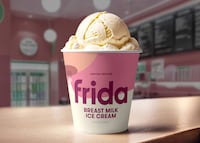

The next time you're dining at Klee Brassiere in New York City, you might want to think twice about ordering anything with cheese. Unless, that is, you don't have a problem with breast milk cheese.
Klee Brassiere's chef Daniel Angerer is crafting cheese out of his wife's breast milk. And while that might be appetizing to some (and if so, who are you?), this writer is trying to gracefully hold back a gag.
As Inhabitots puts it, Angerer's breast milk cheese "could possibly be one of the year’s biggest D.I. Why? moments."
What Makes This Trend Stand Out
- Alternative Ingredient Foods
- The rising trend of alternative ingredient foods, such as breast milk cheese, presents opportunities for innovative menus and products in the food industry.
- Sustainability and Ethics
- The use of breast milk in creating cheese highlights the importance of sustainability and ethical sourcing in the food industry, leading to more opportunities for brands seeking to differentiate themselves in these areas.
- Personalization in Food
- Breast milk cheese illustrates the growing trend of personalization in food, where consumers are seeking unique and customizable food options that match their specific tastes and preferences.
Sectors Adopting This
- Food and Beverage
- The food and beverage industry has the most direct connection to these trends, with opportunities to create and promote alternative ingredient foods, ethical sourcing practices, and personalized products.
- Healthcare
- Breast milk is known for its health benefits, presenting opportunities for the healthcare industry to explore the potential of breast milk products in promoting health and wellness.
- E-commerce and Direct-to-consumer
- As breast milk cheese cannot be sold in traditional grocery stores, the e-commerce and direct-to-consumer industries can capitalize on this trend by offering unique and personalized food products delivered directly to consumers' doors.