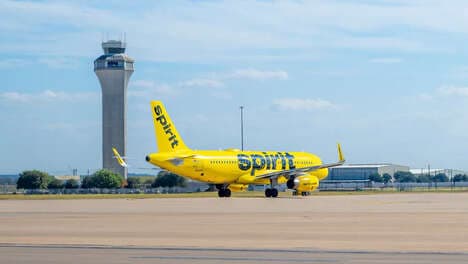
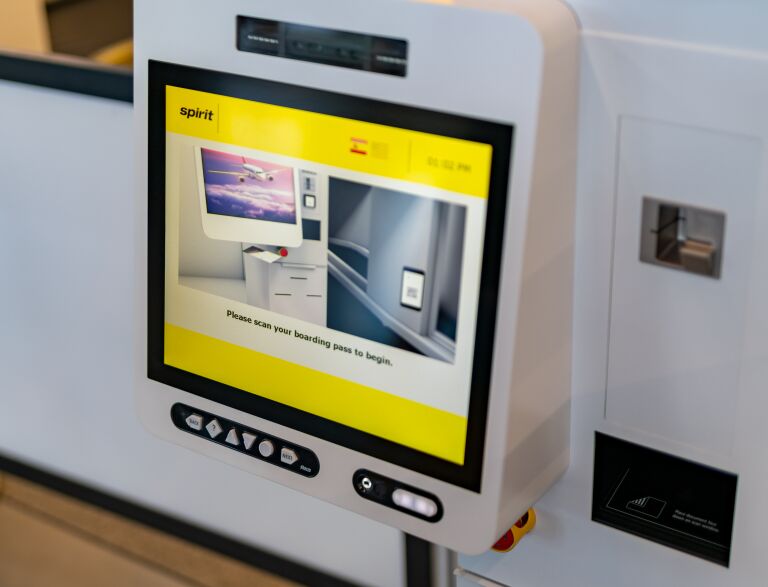
Spirit Airlines recently announced that it will begin to offer biometric check-ins for passengers that the ticket lobby in O’Hare airport, which is located in Chicago. The biometric check-ins will make operations more efficient, as well as reduce human contact. Reducing human contact during travel will help to keep passengers safe and reduce the spread of Covid-19.
Passengers can use the new biometric check-ins by showing their ID to a customer service agent. Following this, they can scan an ID using a biometric system, which compares the ID card with a photo taken by the machine.
Ted Christie, the CEO and President of Spirit Airlines released a statement about the new check-in system, “We started looking at ways to improve the check-in experience in 2019 as part of our pledge to invest in the Guest.”
Image Credit: Spirit Airlines
What's Driving This Trend
- Biometric Check-ins
- The ongoing pandemic makes biometric check-ins a practical solution to reduce human contact.
- Efficient Operations
- Biometric check-ins can streamline the check-in process, reducing wait times and improving customer experience.
- Safer Air Travel
- Biometric check-ins can reduce the spread of Covid-19 and other infectious diseases in airports.
Who This Affects Most
- Aviation Industry
- Biometric check-ins can significantly improve the operation efficiency, security, and reputation of airlines.
- Technology Industry
- The technology behind biometric check-ins can be leveraged in security and identification systems, such as border control and surveillance.
- Travel Industry
- Implementing biometric check-ins can be a competitive advantage for hotels, resorts, and theme parks.