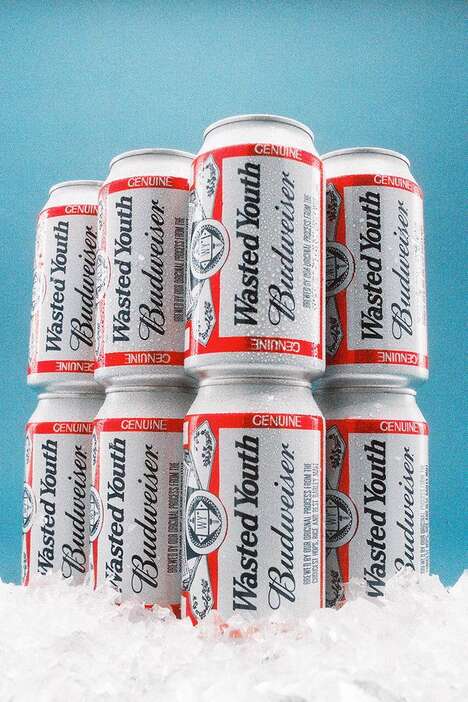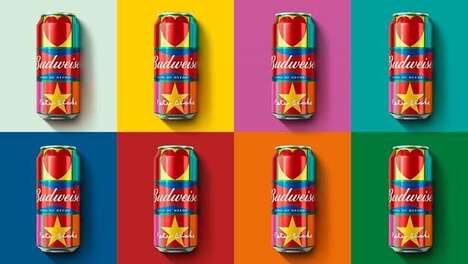


Budweiser recently launched a "hyperlocal" marketing campaign in order to attract Millennial consumers. The beer brand partnered with Detroit rapper Big Sean to launch the Big Sean Budweiser—a special-edition 25oz tall boy—in honor of the musician's new album, Detroit 2.
Monica Rustgi, the Vice-Presiden of Marketing at Budweiser commented on the new launch, stating: "you don’t have to wait for the Super Bowl for that to happen. If you find something that strikes at a cultural nerve – and that doesn’t have to be a polarizing nerve – it drives conversation. It doesn’t have to be something that we start from scratch, it can be something already within the cultural zeitgeist like a town and a sport. That’s the sweet spot – the intersection between something that has social currency within a sub-community and Budweiser having an authentic way of tapping in.”
Why This Trend Is Growing
- Hyperlocal Marketing Campaigns
- Brands can leverage local culture and industry influencers to create effective and personalized marketing campaigns that resonate with targeted millennial consumers.
- Collaboration with Celebrities/influencers
- Brands can partner with celebrities/influencers to create special-edition products that appeal to their target audience and generate buzz on social media platforms.
- Sub-community Marketing
- Brands can tap into the social currency of sub-communities and create marketing campaigns that reflect their values and preferences to connect with a more specific and engaged audience.
Industries Being Reshaped
- Alcoholic Beverage Industry
- Alcoholic beverage companies can collaborate with celebrities and industry influencers to create special-edition products that target specific demographic groups and drive sales.
- Entertainment Industry
- Entertainment companies can partner with brands to launch promotional campaigns that leverage the cultural zeitgeist and generate buzz around new releases.
- Sports Industry
- Sports teams and leagues can work with brands to develop hyperlocal marketing campaigns that reflect the unique identity and culture of their respective communities to attract local consumers.