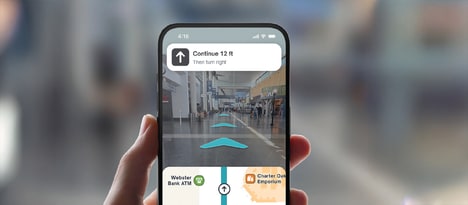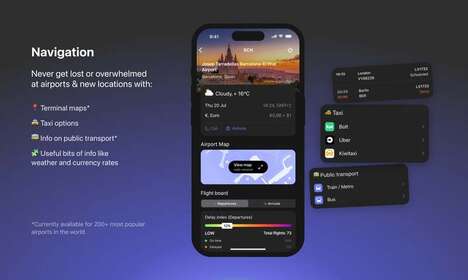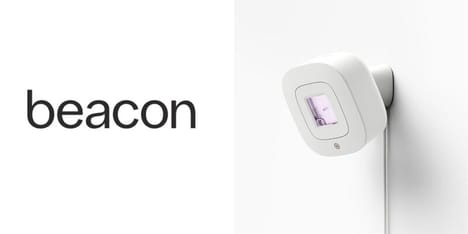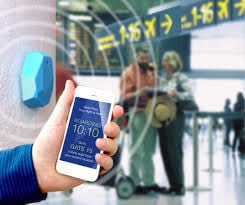
'Aruba' just announced the release of the first cloud-based beacon management system. In recent years, a number of airports have turned to beacon technology as a means of improving the customer experience. This beacon system is specially designed to reduce IT overhead and make it easier for airports to manage the technology.
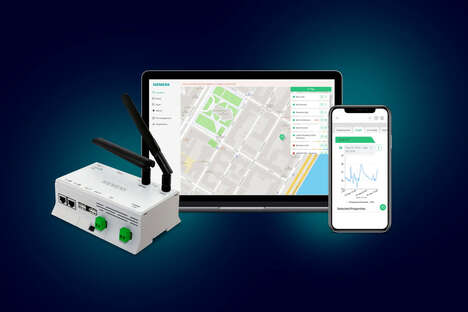
The 'Aruba Sensor' is a beacon management system that combines a small WiFi client with a Bluetooth low energy radio. This technology allows airports to manage all beacons from a single location, even if they span across multiple networks. The idea is to make it easier and more cost-effective for IT departments to manage and monitor beacon data. This means that IT personnel can monitor battery life, power settings and issue software updates all from a single location.
By allowing airports to manage beacons remotely, the Aruba Sensor can ultimately save valuable IT resources and cut down on overhead costs.
Why This Trend Is Growing
- Cloud-based Beacon Management
- Implementing a cloud-based beacon management system can streamline IT processes and reduce overhead costs for airports.
- Centralized Beacon Monitoring
- A centralized beacon monitoring system enables IT departments to easily manage beacons across multiple networks, improving efficiency and effectiveness.
- Remote Beacon Management
- Remote beacon management allows for convenient monitoring of beacon data, including battery life, power settings, and software updates, from a single location.
Industries Being Reshaped
- Airports
- Cloud-based beacon management systems offer airports an opportunity to enhance customer experiences while reducing IT overhead costs.
- Information Technology
- Cloud-based beacon management creates disruptive innovation opportunities for IT departments to streamline processes and improve resource allocation.
- Beacon Technology
- The introduction of a cloud-based beacon management system opens up opportunities for the beacon technology industry to expand its market and improve customer satisfaction.