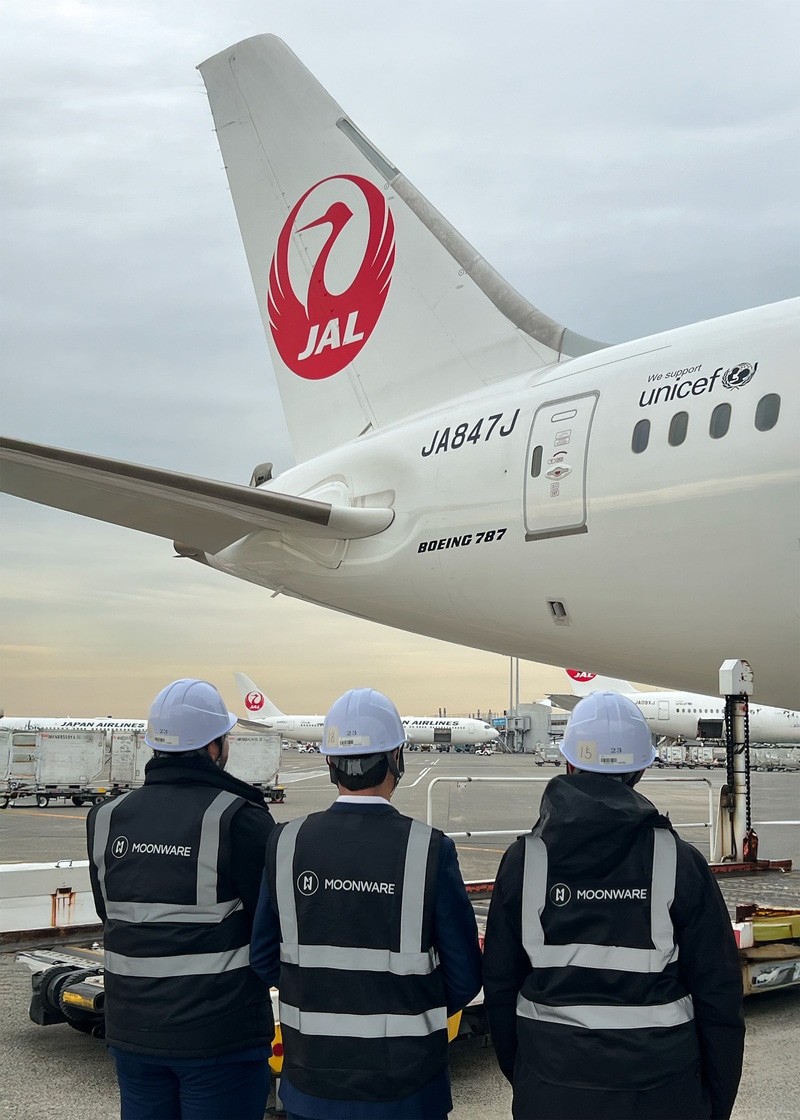
Moonware's upcoming trial of its HALO Ground Traffic Control platform with Japan Airlines at Tokyo International Airport represents a significant advancement in aviation ground operations technology. The system's integration into one of the world's busiest aviation hubs demonstrates its potential to transform traditional airfield management through AI-driven coordination.
HALO's comprehensive approach combines real-time equipment tracking, crew dispatching, and schedule monitoring into a unified digital interface. Through the balance of these functionalities, the Ground Traffic Control platform aims to reduce turnaround variability and improve operational responsiveness. By providing JAL's ground teams with enhanced situational awareness and data-driven decision support, the innovation addresses critical pain points in below-wing operations where delays and inefficiencies often originate. The Tokyo deployment follows successful implementations at other major airports.
Airlines could achieve more predictable turnaround times and reduced tarmac congestion through optimized resource allocation. Airport operators, on the other hand, might value the system's ability to coordinate movements across multiple carriers and service providers.
Image Credit: Moonware x Japan Airlines
Why This Trend Is Growing
- AI-driven Airfield Management
- Leveraging artificial intelligence to enhance coordination and efficiency in airport ground operations is paving the way for smarter and more reliable airfield management systems.
- Real-time Equipment Tracking
- Implementing real-time tracking technologies to monitor ground equipment and personnel is set to revolutionize how airports manage resources and enhance safety.
- Unified Digital Interfaces in Aviation
- The integration of multifaceted digital interfaces streamlines operations by consolidating critical data, aiding decision-making processes for ground teams and reducing operational delays.
Industries Being Reshaped
- Aviation Infrastructure
- Innovations in ground traffic control systems are catalyzing shifts in airport infrastructure management, leading to more efficient and responsive airfield processes.
- Airline Operations
- Airlines are embracing digital platforms that offer enhanced coordination and situational awareness, promising improved turnaround times and reduced operational disruptions.
- Technology Integration Services
- The growing demand for integrated technology solutions in airport settings fuels opportunities within the technology integration sector, focusing on seamless implementation and cross-platform coordination.