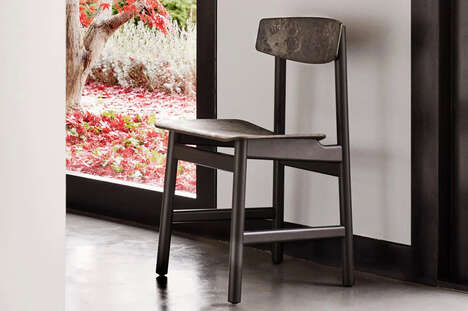
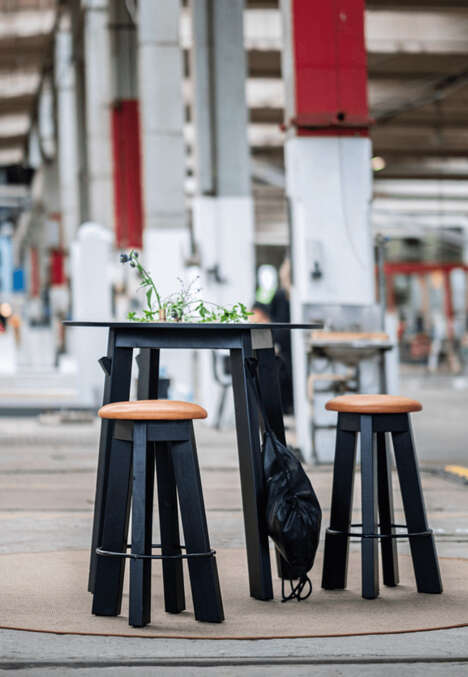
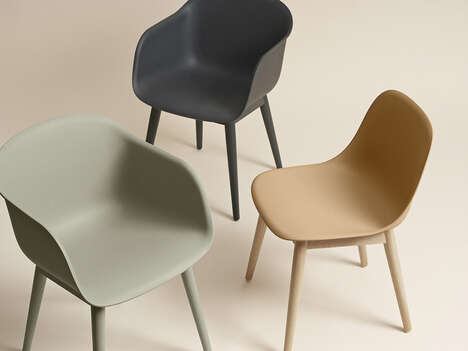
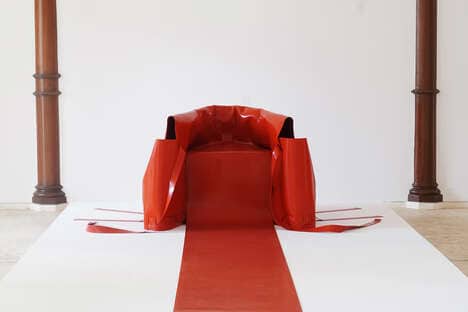
Fetiche Design uses leftover textiles to complete the chairs in the Barraco Collection. Each chair is painted in a bright color, then finished with a seatpad that would otherwise have gone to a landfill.
Using leftover textiles is a great way to be eco-conscious, save money, and stay stylish at the same time. The Barraco Collection takes advantage of the many random pieces produced from textile construction.
Implications - Customers desire more ways to stay environmentally friendly among the increasing amount of harms done to the planet. Everyday products made through sustainable methods are attractive to those with fast-paced lifestyles. Companies could focus on this desire for more eco-conscious items in order to increase their profit.
What Makes This Trend Stand Out
- Sustainable Furniture
- Companies can explore using leftover materials to create unique and eco-friendly furniture designs.
- Upcycling Textiles
- Textile waste can be repurposed into colorful and stylish objects, inspiring new creative possibilities.
- Eco-conscious Design
- Designing products with the environment in mind can attract customers looking for sustainable and stylish options.
Sectors Adopting This
- Furniture Manufacturing
- Incorporating sustainable and upcycling practices into furniture production can appeal to eco-conscious customers.
- Textile Production
- Textile companies can explore upcycling practices and partnerships with furniture manufacturers to reduce waste and create unique products.
- Retail
- Retailers can cater to customers looking for eco-friendly options by stocking products made with sustainable and upcycled materials.