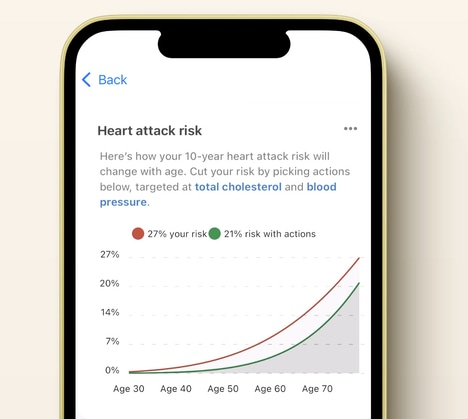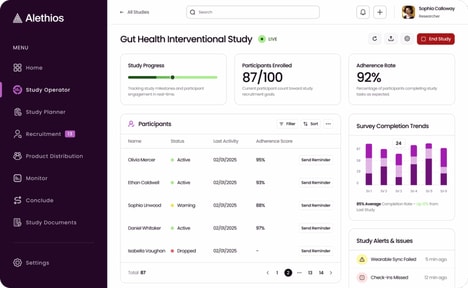
Atropos Health partnered with Health Universe to embed its real-world evidence and clinical decision-support capabilities into Health Universe’s AI healthcare workflow platform. The integration is designed to give clinicians patient-specific answers to clinical questions within existing workflows rather than requiring them to use a separate system.
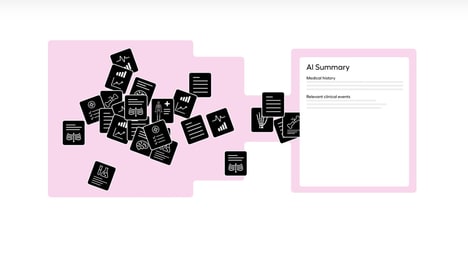
Health Universe combines patient records from sources such as EHRs and national health information networks into longitudinal records that its AI agents can use for tasks including record summarization, clinical trial matching and visit preparation. Through the partnership, those workflows can also draw on Atropos Health’s AI-generated analysis of clinical and real-world patient data to support evidence-based decision-making.
For clinicians and health systems, the collaboration brings patient context and real-world evidence into the same governed AI environment. The approach reflects growing efforts to improve trust and usability by embedding transparent clinical evidence directly into AI-assisted care workflows.
Image Credit: Atropos Health
What's Driving This Trend
- Embedded Clinical Evidence
- Patient-specific research surfaced inside care workflows signals a shift toward decision support that is contextual, trusted and less dependent on separate clinician tools.
- Longitudinal AI Records
- Unified patient histories from EHRs and health networks create openings for AI agents that can deliver richer summaries, trial matches and visit preparation insights.
- Governed Healthcare AI
- Transparent evidence layers within controlled clinical AI environments highlight demand for safer systems that balance automation, usability and regulatory confidence.
Who This Affects Most
- Healthcare Technology
- Platforms that merge workflow automation with real-world evidence are reshaping how digital health vendors compete on clinical relevance and integration depth.
- Clinical Decision Support
- Evidence engines connected to patient context point to new models for delivering faster, more personalized medical guidance at the point of care.
- Health Data Analytics
- Real-world patient datasets interpreted by AI introduce opportunities for analytics providers to support more precise, explainable and workflow-ready insights.