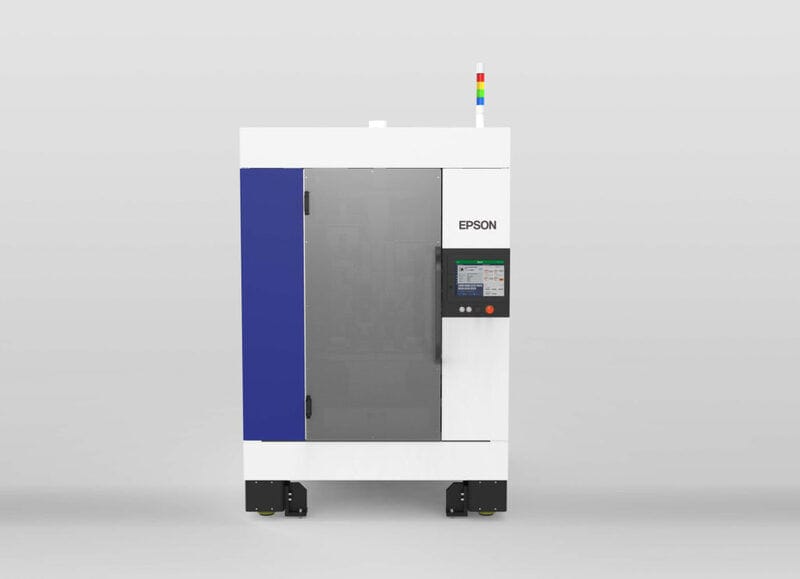
Seiko Epson Corporation has announced a new venture through its subsidiary 'Atmix' where it will upcycle used, landfill-destined materials into usable metal powder. Epson recently entered the 3D printing space with an industrial-grade printing solution. As part of this new venture, the company will self-sustain its 3D printing operations through the use of its own excess material, as well as the excess material of its partners.
Atmix will upcycle everything from out-of-date molds to broken components and pieces of metal scrap into a metal powder suitable for 3D printing. The company aims to be entirely sustained by these upcycled materials by 2050, assuring the public that it will slowly wane off of using unrenewable, underground resources. In terms of short-term goals, Atmix has stated that it will reduce 25% of its underground resource consumption by 2025.
Image Credit: Seiko Epson Corporation
What's Driving This Trend
- Sustainable Manufacturing
- Companies can explore the trend of using upcycled materials for manufacturing operations in their pursuit to become more sustainable and reduce their carbon footprint.
- Circular Economy
- The trend of creating a circular economy through upcycling and recycling can pave the way for a more sustainable future.
- Additive Manufacturing
- The use of upcycled materials to create metal powder for 3D printing can disrupt the additive manufacturing industry and provide more eco-friendly solutions.
Who This Affects Most
- Manufacturing
- Manufacturing companies can explore the use of upcycled materials in their supply chains to become more sustainable and reduce their environmental impact.
- 3D Printing
- The 3D printing industry can adopt the use of upcycled metal powder as a more sustainable approach to additive manufacturing.
- Recycling
- The recycling industry can benefit from the upcycling of metal scrap and broken components as a source for creating metal powder for 3D printing applications.