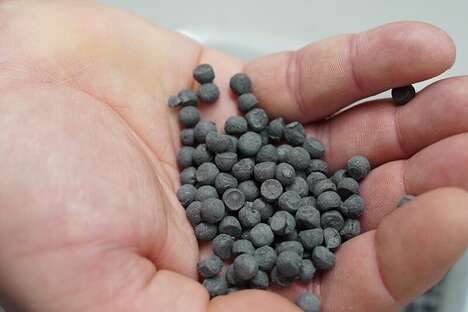

This asphalt additive has been developed by scientists from the Hebei University of Science and Technology in China as a solution for keeping roadways free from ice during the winter months. The chloride-free acetate-based salt is reported to be less corrosive to steel and additional materials, and is mixed with silicon dioxide, a surfactant, blast furnace slag and sodium bicarbonate. This fine powder is then coated using a polymer solution to achieve microcapsules that, when mixed with asphalt, continuously melts snow and prevents ice from forming.
The asphalt additive has been tested in both the real world and the lab, and is estimated by researchers to continue working for seven to eight years after being applied.
Image Credit: Depositphotos
What Makes This Trend Stand Out
- Salt-infused Asphalts
- Innovations in road construction can be explored to develop sustainable and efficient alternatives to conventional asphalt with salt-infused additives.
- Anti-icing Technologies
- Developing eco-friendly materials that can be used in roads and highways for long-lasting and cost-effective anti-icing measures can lead to new breakthroughs in the transportation industry.
- Road Maintenance Solutions
- Incorporating microcapsule technologies into road building processes could revolutionize the maintenance and safety of roads and highways.
Sectors Adopting This
- Construction Industry
- The construction industry has significant potential for innovating anti-icing solutions and incorporating new materials into infrastructure projects.
- Transportation Industry
- The transportation industry can benefit from anti-icing technologies to enhance safety and reduce the cost and time associated with snowy and icy conditions on roads and highways.
- Chemical Industry
- Developing new types of eco-friendly additives for roadways and highways can create opportunities for the chemical industry to supply materials to the construction and transportation sectors.