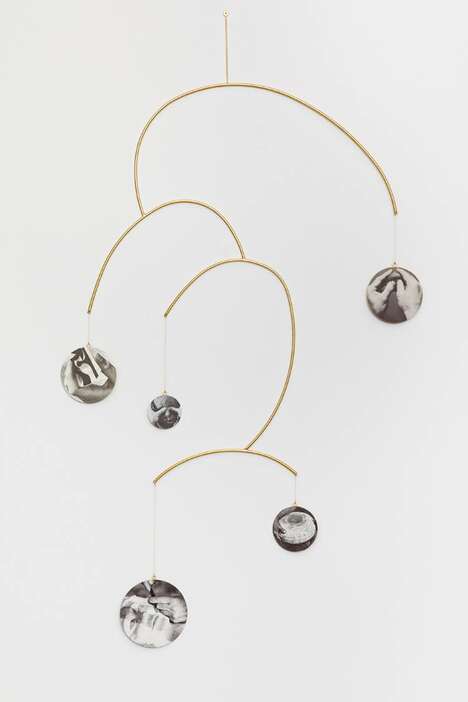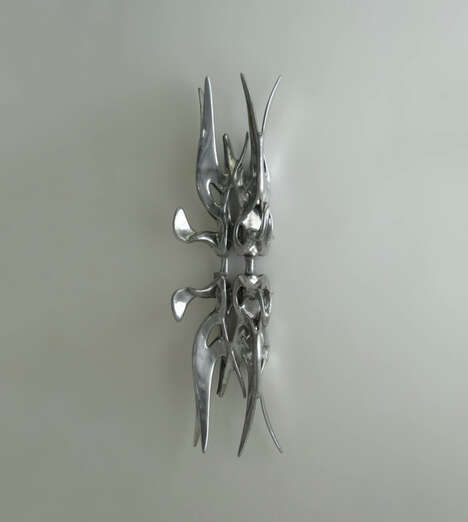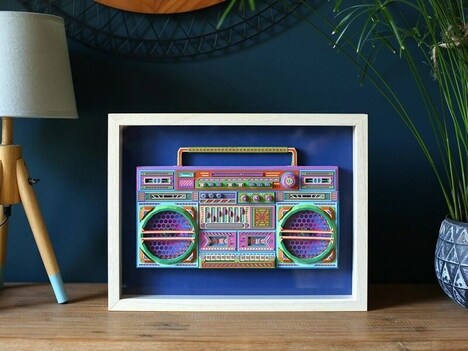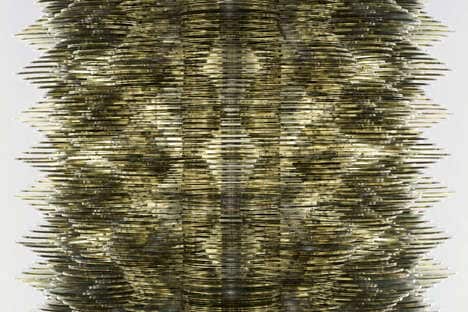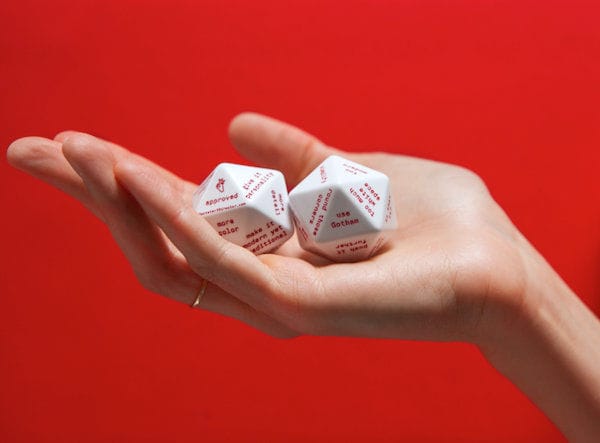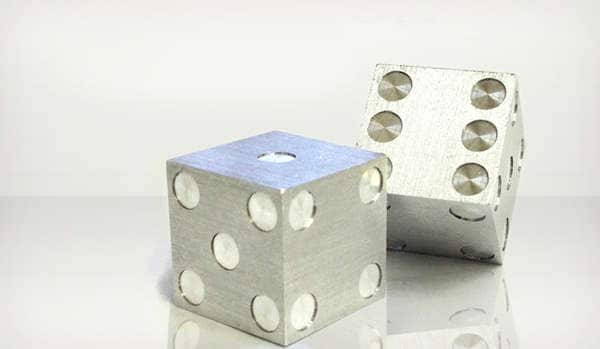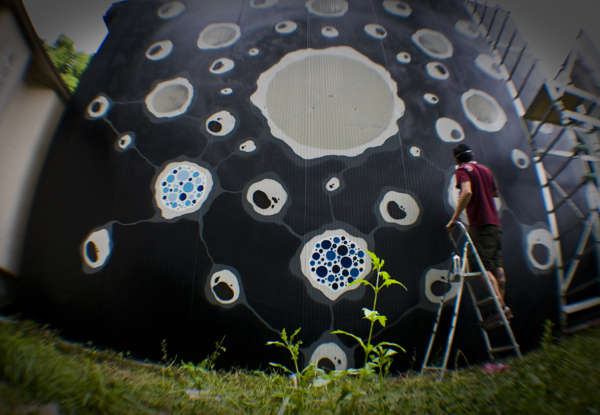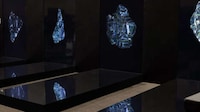

Portland-based artist Brenna Murphy mostly makes digital art but every once in a whole she goes analog. Murphy seems mostly interested in art based around CAD drawings, Photoshop and the highly-pixelated digital debris often associated with Internet art.
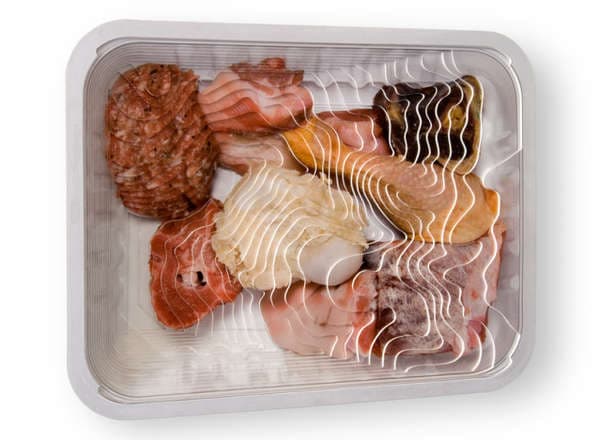
As an artist, Brenna Murphy clearly displays a digital world view. Occasionally this outlook is translated in way that even a Luddite could understand and appreciate. Murphy uses food, rocks, dirt, pencils, and anything else she can get her hands on to make several large repeating, textile-like patterns.
What's Driving This Trend
- Analog Artwork
- Utilizing physical, everyday objects to create art with a digital aesthetic can disrupt traditional notions of media barriers.
- Digital Debris
- Transforming digital remnants into art, such as Brenna Murphy's pixelated formations, can disrupt artistic paradigms in the emerging field of digital art.
- Repeating Texture
- Creating repeating patterns from ordinary materials, as Brenna Murphy does, offers opportunities to disrupt traditional textile design through inventive techniques.
Who This Affects Most
- Fine Arts
- Exploring ways to fuse traditional artistic mediums with digital aesthetics can significantly impact the world of fine arts.
- Textile Design
- Adapting repeating, digital-like patterns to textile weaving could disrupt traditional material manipulations and the textile manufacturing industry.
- Digital Art
- The emergence of digital and internet art opens up novel opportunities for inventiveness with unconventional mediums, offering diverse avenues for future growth and disruption.