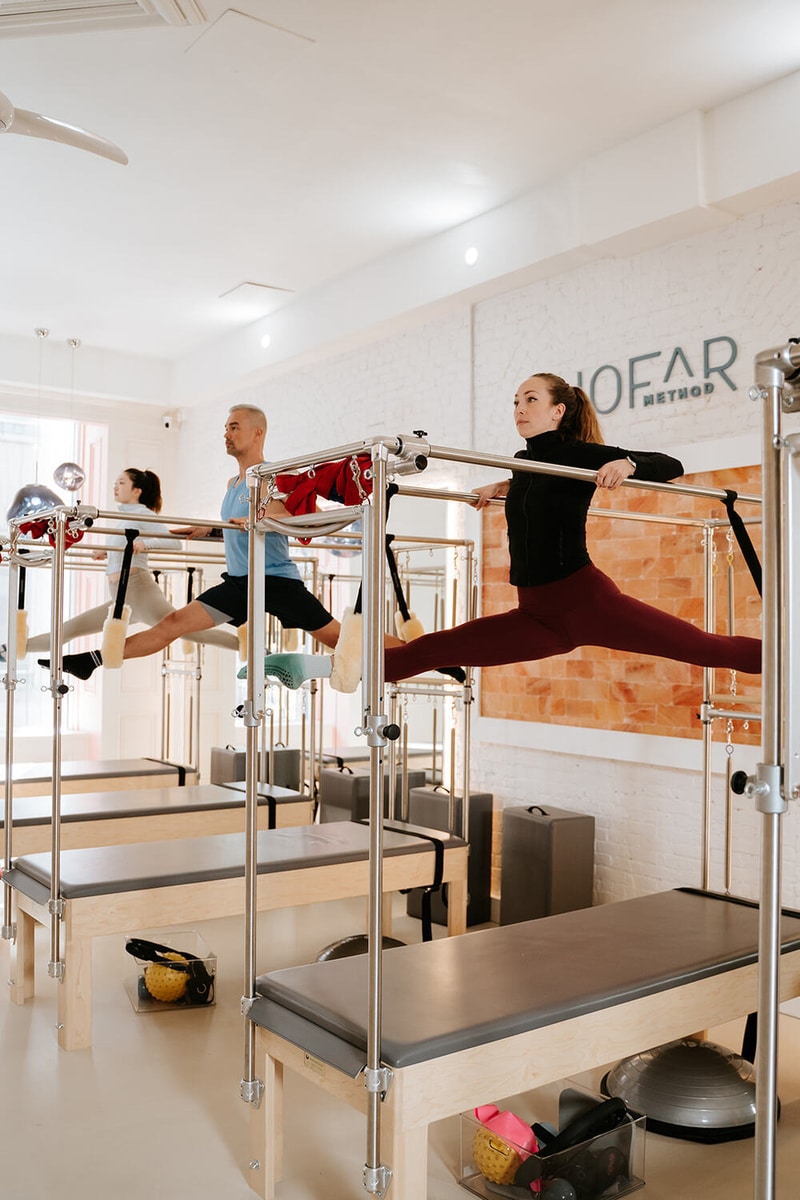
The Nofar Method Academy's The Art of Teaching Pilates was a two-day seminar in New York City that ran on March 14th and March 15th, 2026, at the brand's Flatiron location.
The educational opportunity offered six hours of in-person training plus two Nofar Method group classes for a $700 enrollment fee. The Art of Teaching Pilates was designed specifically for Pilates instructors who want to refine their class design, improve verbal and nonverbal communication with students, and build greater confidence and authority as teachers.
The Nofar Method Academy's seminar focused on the often overlooked skill of student engagement, teaching instructors how to tailor programming to individual needs, transform sessions into meaningful experiences, and connect with clients in ways that go beyond simply cueing exercises.
Image Credit: The Nofar Method Academy
What Makes This Trend Stand Out
- Personalized Instruction Design
- Tailoring Pilates programming to individual biomechanics and goals creates opportunities for bespoke curriculum models that shift value from generic classes to individualized outcomes.
- Micro-credentialing for Instructors
- Short, intensive seminars with targeted competencies enable credential stacks that could redefine professional qualification paths and lifetime learning within the industry.
- Experiential Learning in Fitness
- Prioritizing real-time teaching practice and immersive group sessions highlights models where hands-on experience becomes the primary differentiator in instructor training.
Sectors Adopting This
- Fitness Education
- A move toward specialized educator academies signals a market for institutions that monetize advanced pedagogical skills rather than only exercise techniques.
- Wellness Technology
- Integration of assessment tools and personalized programming platforms could enable tech solutions that scale tailored instruction and client engagement tracking.
- Professional Development Platforms
- Demand for niche, skill-focused short courses suggests platforms that aggregate micro-seminars and credentialing could disrupt traditional continuing education models.