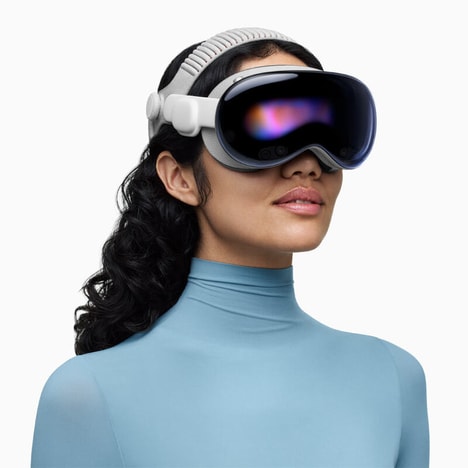
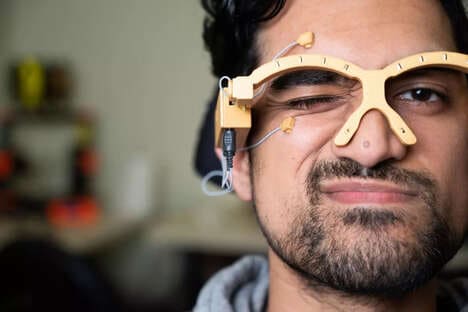
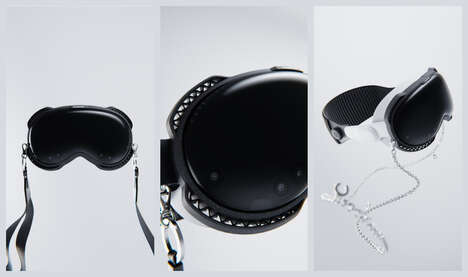
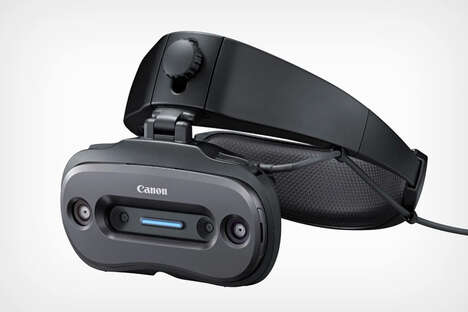
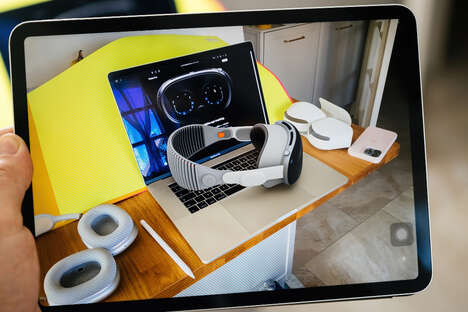
A new Apple patent shows a design for a mixed reality headset, which tracks the user's different facial features. The device would be able to get user feedback form both the wearer's eyes and hands. The Apple patent was filed during March of 2019 and is one of the many recent VR-related patents filed by the company.
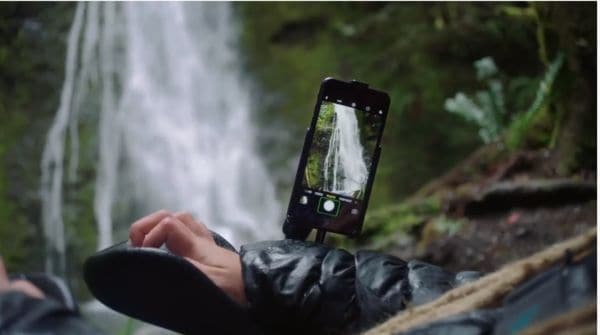
The design also features eyebrow and jaw sensors that could project a person's image onto a virtual avatar. Other parts of the patent show a head-mounted display and cameras that can track the user's environment outside the headset. The information form the user's environment could present the user with an image that is partially based form reality and partially created from the headset itself. This makes the headset different from other designs that completely immerse the user in a totally virtual experience, as opposed to one partially derived from reality.
Image Credit: Apple/ USPTO
What Makes This Trend Stand Out
- Facial Tracking Technology
- The development of VR face-tracking devices presents opportunities for personalized user experiences and enhanced immersion in virtual reality.
- Mixed Reality Headsets
- The integration of facial sensors in mixed reality headsets opens up new avenues for interactive gaming, virtual meetings, and realistic simulations.
- Hybrid Virtual-reality Experiences
- The combination of real-world environment tracking and virtual elements in VR headsets allows for innovative applications in training, telemedicine, and design.
Sectors Adopting This
- Gaming
- The gaming industry can capitalize on VR face-tracking devices to create more immersive and realistic gaming experiences, with the potential for precise facial expressions recognition and personalized gameplay elements.
- Virtual Meetings
- The virtual meeting industry can leverage mixed reality headsets with facial tracking technology to enable more engaging and authentic remote collaboration by accurately portraying facial expressions and non-verbal communication.
- Education and Training
- In the education and training sector, hybrid virtual-reality experiences can revolutionize practical training simulations, offering trainees a mix of real-world interactions and virtual elements for enhanced learning outcomes.