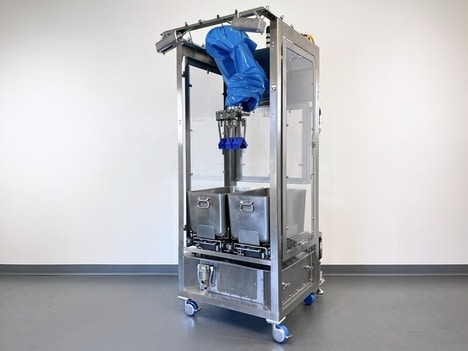
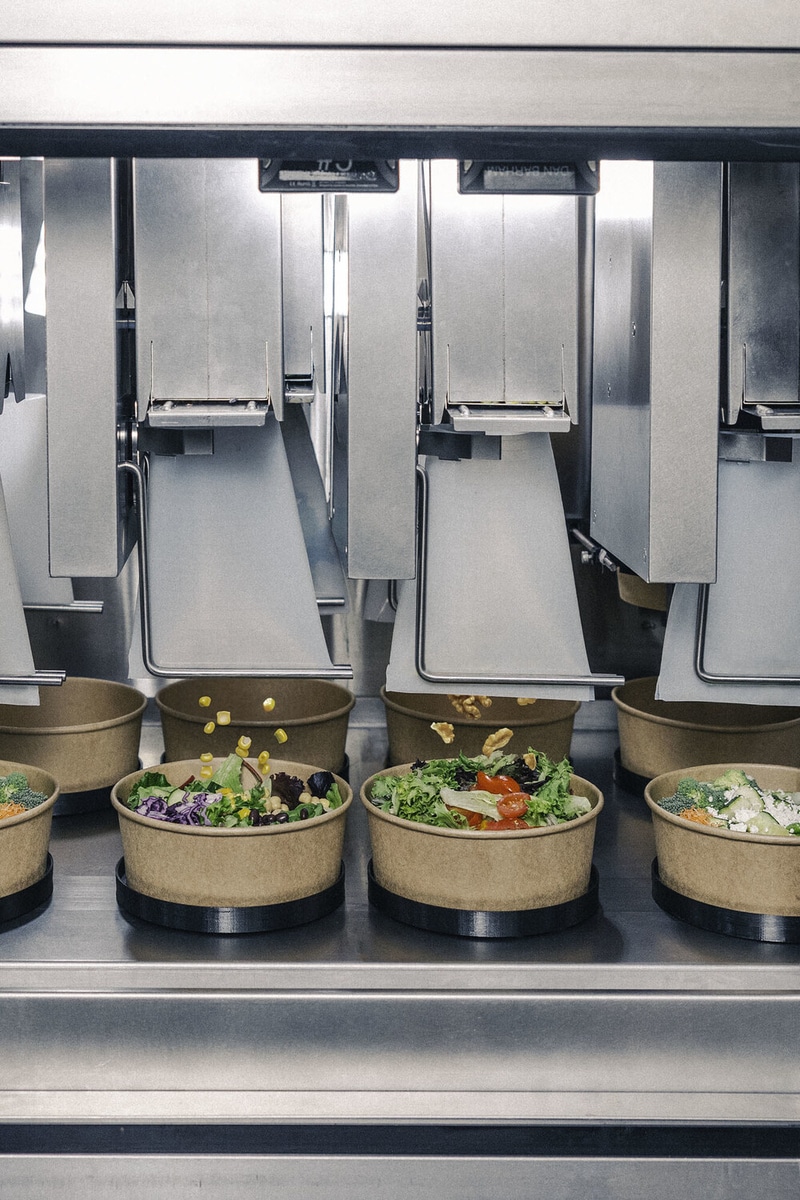
Appetronix’s acquisition of Cibotica signals a shift in food automation toward more flexible and scalable robotic kitchen systems. By integrating ingredient-agnostic dispensing technology, the company can expand beyond single-menu formats like pizza into a wider range of cuisines, enabling automated preparation of bowls, salads and other meals with precision. The system’s ability to portion ingredients accurately while reducing waste and labor highlights a growing focus on efficiency and consistency in high-volume environments.
This development broadens opportunities for deployment across airports, hospitals, universities and other high-traffic locations. Operators benefit from lower staffing requirements and improved operational reliability, while brands can scale concepts faster without being limited by menu complexity. As competitors adopt similar modular systems, the foodservice industry may move toward standardized, tech-enabled kitchens that prioritize speed, adaptability and cost control.
Image Credit: Appetronix
Why This Trend Is Growing
- Ingredient-agnostic Dispensing
- The move toward dispensers that handle a wide range of ingredients creates potential for appliance manufacturers to offer universal modules that enable rapid menu diversification without hardware changes.
- Modular Robotic Kitchens
- Modular architectures that combine interchangeable cooking, dispensing and assembly units open up possibilities for franchise models to deploy tailored automated kitchens that scale by adding or swapping modules.
- Standardized Tech-enabled Kitchens
- The emergence of standardized kitchen control systems suggests opportunities for platform providers to create interoperable software ecosystems that manage operations, supply chain and quality across multi-site deployments.
Industries Being Reshaped
- Airports and Transportation Hubs
- High passenger throughput and limited back-of-house space indicate a demand for compact automated kitchens that deliver consistent meals with reduced staffing and faster service cycles.
- Healthcare Food Services
- Hospitals and long-term care facilities could benefit from precise portioning and allergen control enabled by robotics, improving dietary compliance and reducing food waste in clinical settings.
- Higher Education Dining
- Campus dining systems facing fluctuating demand and diverse culinary preferences may leverage automated, multi-cuisine stations to provide variety while controlling labor costs and throughput.