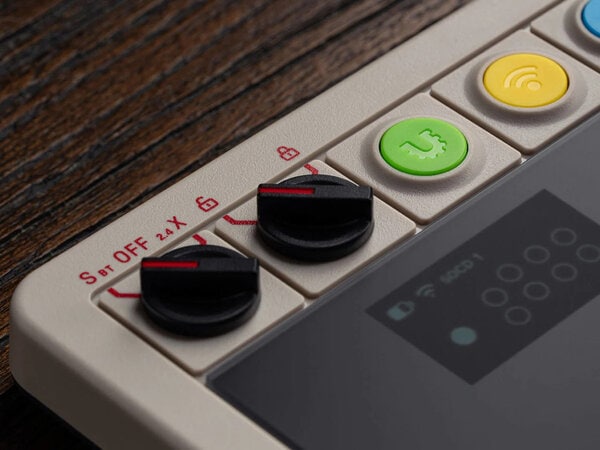
Apollo Neuroscience is a health technology company specializing in wearable devices designed to improve sleep, stress resilience, and heart rate variability. Recently, the company announced the publication of a peer-reviewed clinical study in JMIR mHealth and uHealth that analyzed 474,852 nights of sleep data from 935 participants over three years.
Apollo Neuroscience's research inquiry found that nighttime use of the Apollo Wearable was associated with an average of 46 additional minutes of sleep per night and a 77% reduction in the likelihood of sleeping less than six hours in a single night. The research, which utilized Oura Ring data to measure sleep outcomes in real-world conditions rather than a controlled laboratory setting, demonstrated a dose-dependent relationship where more frequent and longer use of the device's patented vibration technology led to progressively greater increases in total sleep time and quality.
Image Credit: Apollo Neuroscience
Key Themes Behind This Trend
- Evidence-backed Sleep Wearables
- Peer-reviewed validation of consumer sleep devices creates space for clinically credible products that bridge wellness, healthcare, and remote patient monitoring.
- Real-world Sleep Data
- Large-scale longitudinal sleep datasets from everyday environments reveal new potential for personalized interventions beyond controlled lab-based studies.
- Vibration-based Recovery Tech
- Non-invasive tactile stimulation points to emerging alternatives for improving sleep quality, stress resilience, and autonomic regulation without pharmaceuticals.
Where This Applies
- Wearable Technology
- Clinical-grade outcomes tied to continuous device usage strengthen the role of wearables as data-rich platforms for health improvement.
- Digital Health
- Remote measurement and intervention models are reshaping how sleep, stress, and recovery solutions are tested, validated, and commercialized.
- Sleep Wellness
- Validated improvements in sleep duration and quality signal growing opportunities for premium, science-led solutions in consumer wellness markets.