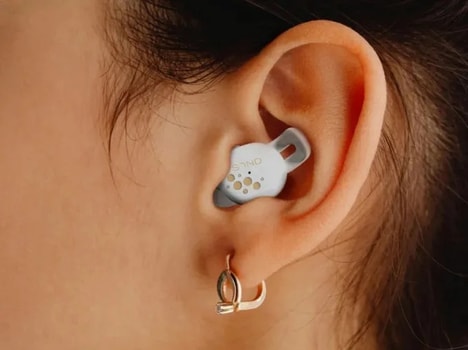
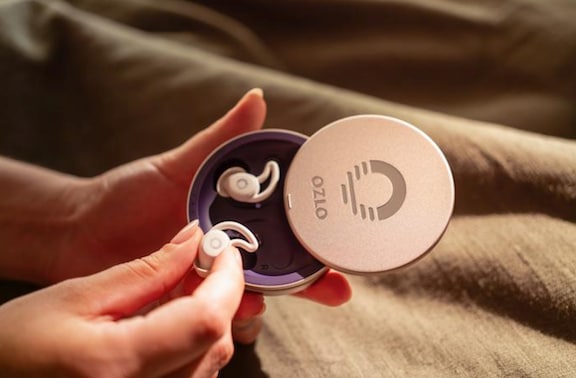
FutureNeuro, the Research Ireland Centre for Translational Brain Science, has initiated a collaborative research study with Ozlo, a sleep technology company known for its in-ear wearable Sleepbuds. The goal of this venture is to investigate whether this non-pharmacological approach can effectively address sleep disturbances and circadian disruption in adults living with epilepsy.
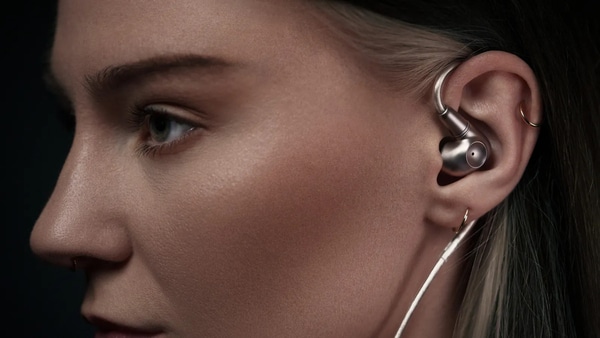
FutureNeuro and Ozlo have termed this venture the EPI-SLEEP study. As part of the partnership, the entities will recruit 60 participants with focal epilepsy and sleep issues, including those with both drug-responsive and drug-resistant forms of the condition. The investigators will employ home-based multi-modal monitoring followed by four weeks of using the Ozlo Sleepbuds. The in-ear wearable innovation combines engineered audio and adaptive noise masking to reduce environmental disruptions and support more consistent, uninterrupted sleep.
Participants will undergo comprehensive assessments using biological tests, including saliva samples to track hormonal changes and watch-like devices to monitor sleep-wake cycles. This will be further supported by validated diaries and questionnaires to measure changes in sleep quality, circadian rhythm stability, mood, and overall quality of life.
Image Credit: FutureNeuro
What's Driving This Trend
- In-ear Sleep Therapeutics
- Audio-enabled earbuds with adaptive noise masking represent a growing non-pharmacological pathway for managing sleep disruption in neurological populations.
- Home-based Neurology Monitoring
- Multi-modal at-home assessment systems are expanding clinical research beyond lab settings through continuous sleep, hormone, mood, and behavior data collection.
- Circadian Health Wearables
- Wearable tools that track and influence sleep-wake stability are creating new possibilities for personalized circadian support in chronic condition management.
Who This Affects Most
- Sleep Technology
- Smart sleep devices are evolving from comfort-focused products into clinically studied interventions for complex health-related sleep disturbances.
- Digital Health
- Connected monitoring platforms are enabling hybrid research models that combine biosamples, wearables, diaries, and patient-reported outcomes.
- Neurology Care
- Epilepsy treatment ecosystems are beginning to integrate behavioral and sensory technologies that address quality-of-life factors beyond seizure control.