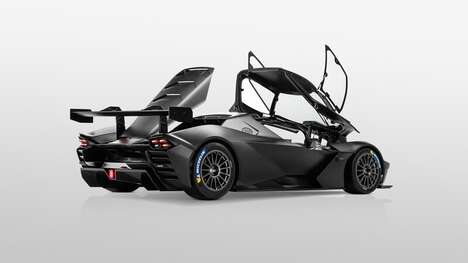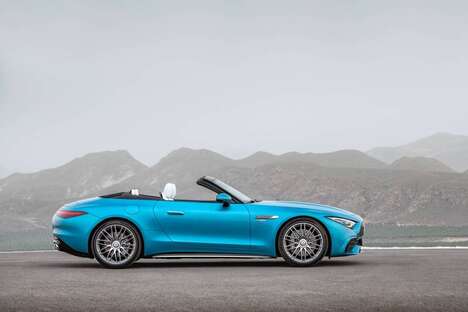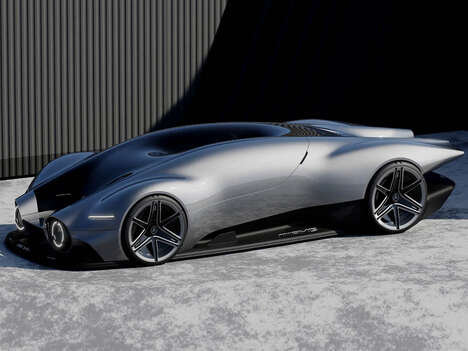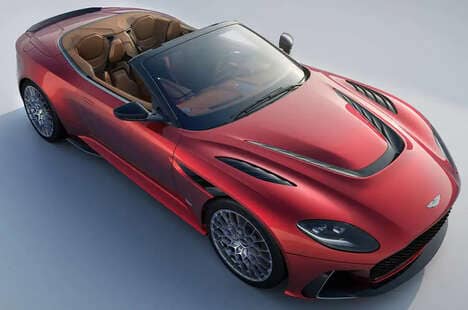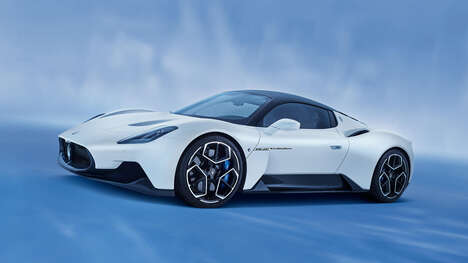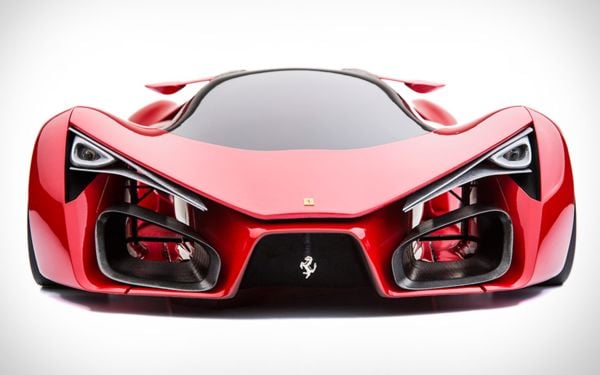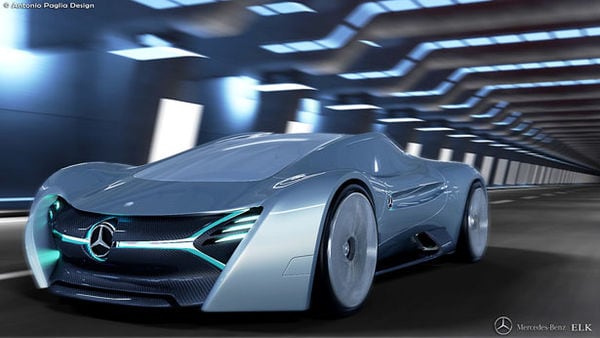
The Mercedes AMG GT supercar was launched at the AMG headquarters after several months of testing and anticipation.
This supercar is powered by an all-new twin-turbocharged V8 engine hooked up to a seven-speed dual-clutch gearbox. The engine is available in two configurations -- the GT engine has a zero to 100 km/h spring time of 4 seconds, while the GT S makes the grade in just 3.28 seconds. As far as speed is concerned, the GT is limited to 304 km/h while the GT S is capable of hitting 310 km/h.
The AMG GT supercar allows for extremely agile handling thanks to its front-rear weight distribution and its low center of gravity. It is also built using an aluminum frame, keeping its weight down to 1,540 kg.
Mercedes hasn't revealed when the car will be on sale, but will begin taking orders early next year.
What's Driving This Trend
- Twin-turbocharged Engines
- Opportunity for developing more powerful and efficient engines with twin-turbocharging technology in the automotive industry.
- Agile Handling
- Disruptive innovation opportunity to create vehicles with superior handling capabilities by focusing on front-rear weight distribution and low center of gravity.
- Lightweight Construction
- Opportunity to explore lightweight materials and construction techniques to reduce vehicle weight, improving performance and fuel efficiency.
Who This Affects Most
- Automotive Manufacturing
- Automakers can leverage twin-turbocharged engines, agile handling, and lightweight construction to produce high-performance vehicles that cater to consumer demand.
- Automotive Engineering
- Engineers can lead innovations in twin-turbocharging technology, handling dynamics, and lightweight materials to enhance vehicle performance and safety.
- Automotive Design
- Designers can incorporate aerodynamic and structural enhancements enabled by agile handling and lightweight construction for visually striking and functional vehicles.