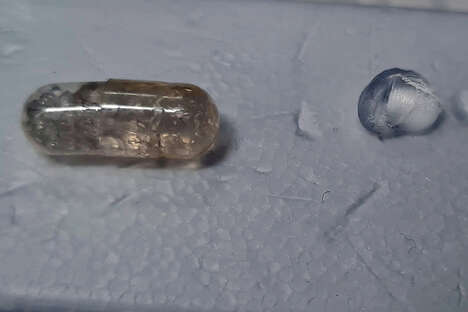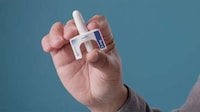
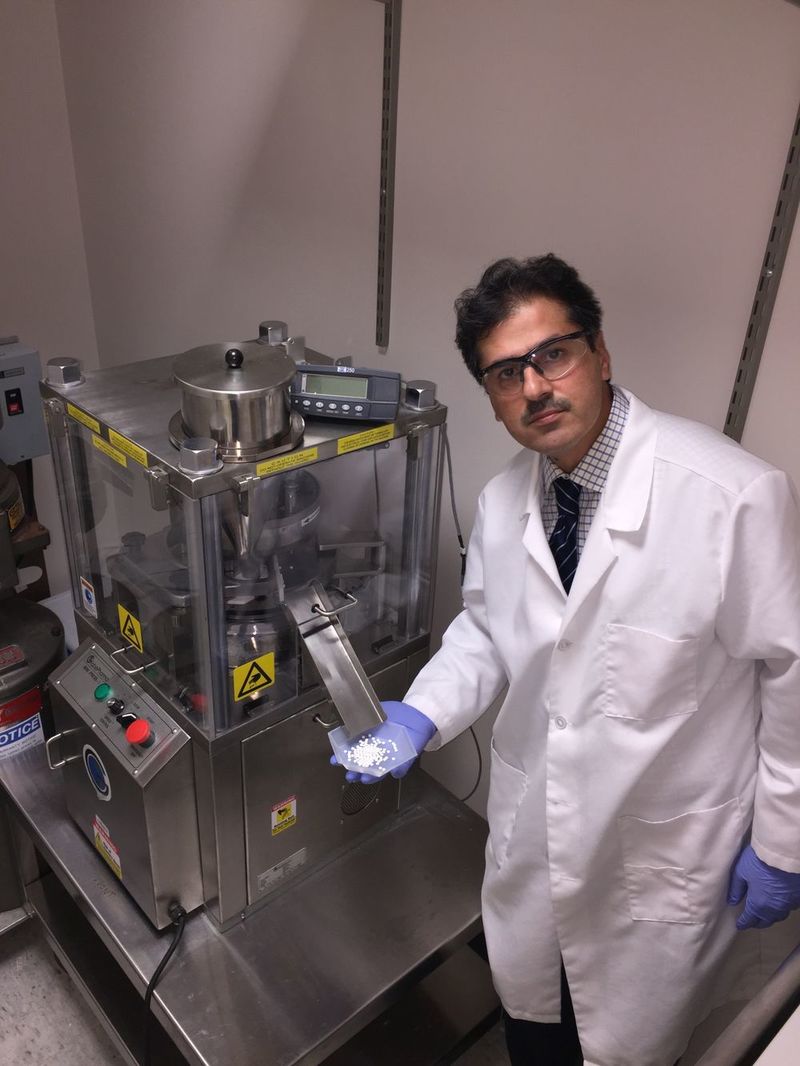
Dr. Mutasem Rawas-Qalaji is a pharmaceutical researcher at Nova Southeastern University in Florida who is working on allergy tablets that will be able to serve as a stand-in for epinephrine auto injectors, or EpiPens.
Since they were first introduced in the 80s, EpiPens have been essential for treating potentially life-threatening allergic reactions. However, many patients don't like injections and are especially adverse to the idea of having to self-inject. The all-new allergy tablets work like ordinary orally disintegrating tablets, meaning that they can be held under the tongue to dissolve, which also makes them ideal for those who have trouble swallowing pills.
Across the medical industry, self-care devices are becoming less invasive, as well as more comfortable to use as a result.
What Makes This Trend Stand Out
- Non-invasive Allergy Treatment
- The development of allergy tablets as an alternative to EpiPens presents an opportunity for innovation in non-invasive allergy treatment methods.
- Orally Dissolving Tablets
- The rise of orally dissolving tablets for allergy treatment provides an opportunity to innovate in the development of non-invasive drug delivery methods.
- Patient-centric Healthcare
- The trend towards self-care devices that are comfortable and non-invasive underscores a shift towards patient-centric healthcare.
Sectors Adopting This
- Pharmaceuticals
- The pharmaceutical industry has the opportunity to innovate in the production and development of non-invasive allergy treatments in the form of orally dissolving tablets.
- Medical Devices
- The development of allergy tablets presents an opportunity for innovation in the medical device industry in the creation of non-invasive and comfortable drug delivery methods.
- Healthcare
- The trend towards non-invasive and patient-centric healthcare reinforces an opportunity for healthcare professionals to prioritize patient comfort and accessibility in their practices.