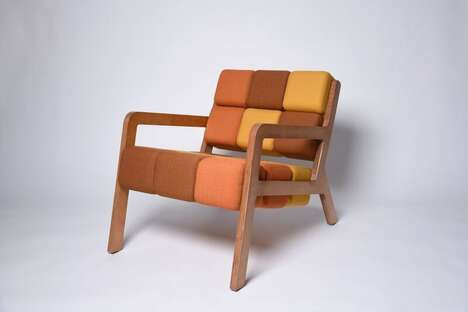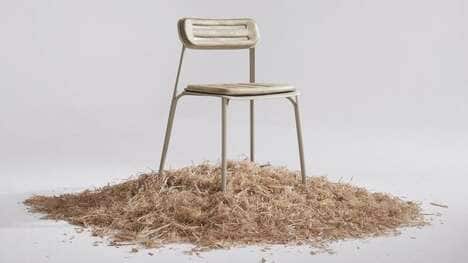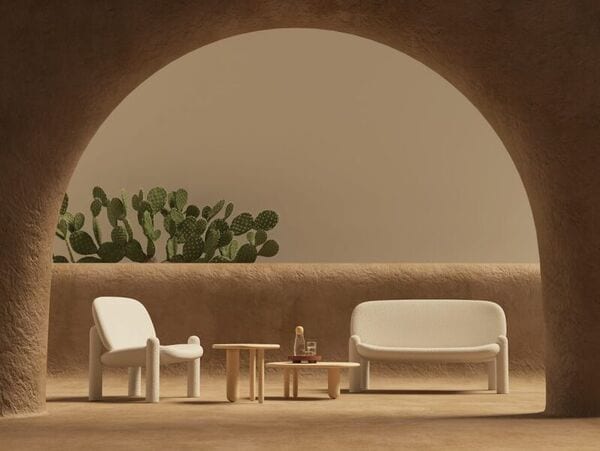
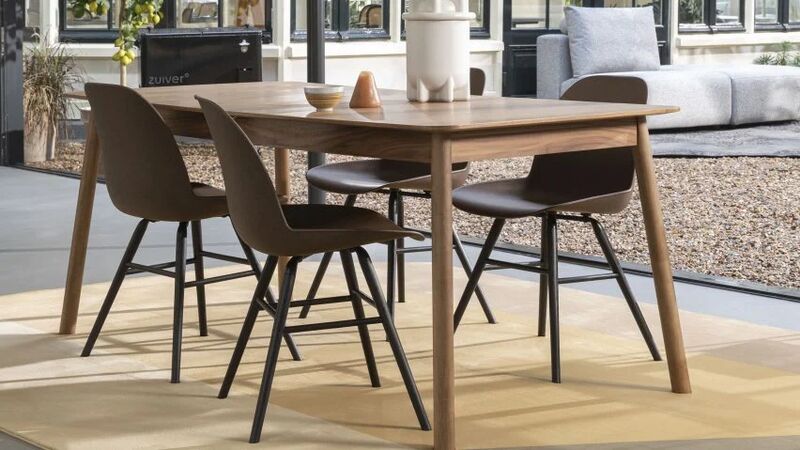
The Albert Kuip Chair by APE is made with a unique coffee color and texture. APE created the chair for Dutch furniture brand Zuiver as an updated version of the original Albert Kuip model. The upgraded version is made from used coffee grounds in an attempt to mitigate coffee waste.
Dubbed the Albert Kuip Coffee Chair, the piece contains 42.5 percent coffee waste. The other 57.5 percent of the chair is made from polypropylene. Zuiver explains that "coffee turns out to be a great and sustainable component for firm seats." The new launch is the brand's most sustainable chair thus far. Moreover, it uses rejected wood from the production process for its sturdy wooden legs.
Image Credit: APE / Zuiver
Key Themes Behind This Trend
- Sustainable Materials in Furniture
- Furniture manufacturers can explore the use of unique, eco-friendly materials to create sustainable furniture pieces like the coffee waste-based Albert Kuip chair.
- Circular Economy Products
- Designers can create furniture pieces made from waste materials and rejected wood, thus closing the production loop and reducing waste in the environment.
- Consumer Demand for Sustainable Living
- Consumer preferences for sustainable products can drive designers and furniture manufacturers to create and adopt sustainable production practices.
Where This Applies
- Furniture Manufacturing
- The furniture industry can adopt sustainable practices and materials to meet consumer demands for eco-friendly products, while also reducing waste and environmental impact.
- Sustainable Materials Production
- Companies can explore the production of sustainable materials like coffee waste and rejected wood to supply furniture manufacturers with eco-friendly component options.
- Circular Economy Business Models
- Businesses can incorporate circular economy models that involve reusing waste materials in product manufacturing to reduce environmental impact and promote sustainability.