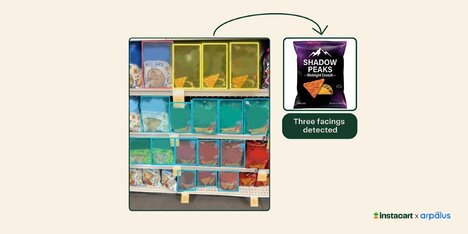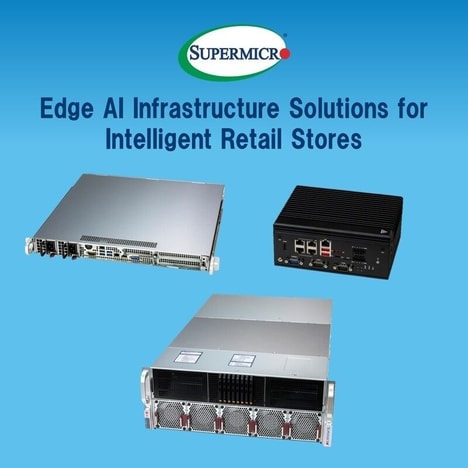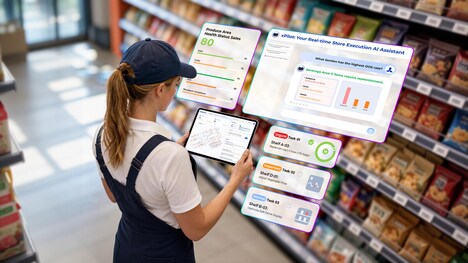

AI-powered retail infrastructure is becoming a focus for SOLUM as the company introduces AIR, a framework designed to connect physical store technology and support smarter operations. The system aims to bring cameras, sensors, electronic shelf labels, and digital displays together through a unified network, making it easier for retailers to manage growing volumes of information.
AIR operates around three areas: Architecture, Intelligence, and Revenue. Its planned network infrastructure will support device connectivity, while collected data will help retailers monitor store conditions and identify operational improvements. Electronic shelf labels and E-Paper displays could also serve as advertising channels. SOLUM plans to demonstrate these capabilities at NRF 2027 in January.
For retailers, the framework could simplify technology integration and create additional sales opportunities. For SOLUM, it supports expansion beyond electronic shelf labels into broader AI-powered store solutions.
Image Credit: SOLUM
What Makes This Trend Stand Out
- Unified Store Networks
- Connected cameras, sensors, shelf labels, and displays create new value by turning fragmented store systems into coordinated retail intelligence platforms.
- In-store Media Infrastructure
- Electronic shelf labels and E-Paper displays expand beyond pricing into monetizable advertising surfaces embedded throughout physical retail environments.
- AI-enabled Operations
- Retail data from physical environments supports predictive monitoring, workflow optimization, and faster detection of store-level inefficiencies.
Sectors Adopting This
- Retail Technology
- Infrastructure platforms that unify hardware, data, and AI software redefine how retailers manage digital transformation inside brick-and-mortar locations.
- Digital Signage
- Networked displays and shelf-level screens introduce scalable media channels that blend operational communication with shopper-facing promotions.
- Smart Sensors
- Sensor ecosystems in stores generate actionable environmental and behavioral data, enabling more adaptive merchandising, staffing, and inventory strategies.