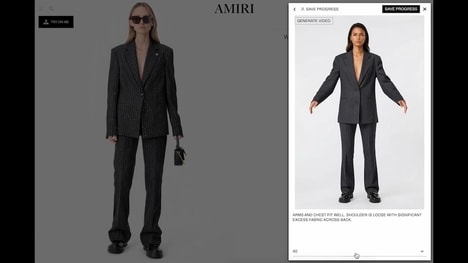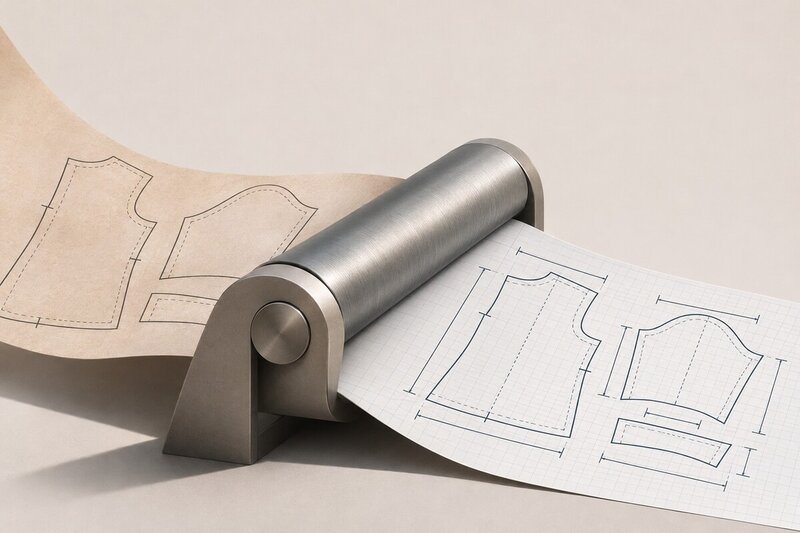
Fermat expanded its AI fashion software into production with ‘Techpacks’, a feature that turns design work into factory-ready specifications, enabling designers to move styles toward manufacturing faster. The Barcelona-based company is backing that shift with an $8 million seed round and plans for a New York office.
Used by more than 350 customers across 14 countries, Fermat gives design teams a way to create technical flats and measurements, reducing the manual rewrite required to convert creative work into factory documents. At Asos, it has cut sampling from weeks to minutes by giving suppliers a clearer brief before physical samples are made, the company says.
Fermat shows how moving spec creation closer to design can shift AI in fashion from image generation toward workflow software, with a third of its revenue coming from the U.S.
Image Credit: AI-generated
What Makes This Trend Stand Out
- AI-generated Techpacks
- Automated conversion of fashion concepts into factory-ready specifications creates room for faster product development cycles and fewer handoff errors between creative and production teams.
- Design-to-manufacturing Workflows
- Integrated tools that connect sketches, measurements, and supplier briefs reshape apparel operations by collapsing traditionally separate design and production stages.
- Sample Reduction Software
- Digital specification platforms can reduce reliance on physical sampling, opening new efficiencies in cost control, sustainability, and supplier communication.
Sectors Adopting This
- Fashion Technology
- AI workflow platforms are expanding the category beyond creative image generation toward practical systems that support commercialization and manufacturing readiness.
- Apparel Manufacturing
- Factory-facing design documentation enables suppliers to interpret product intent more accurately, improving speed and consistency across global production networks.
- Retail Supply Chain
- Retailers gain new value from software that shortens sample approval timelines and improves visibility between merchandising, design, and sourcing functions.