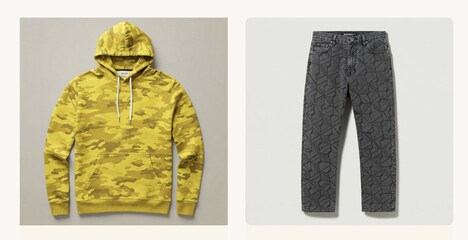

CreateMe's Seed to System initiative showcases a new approach to apparel production by connecting climate-smart cotton farming, domestic textile manufacturing and automated garment assembly within a single coordinated ecosystem. Through partnerships with Avalo and Laguna Fabrics, the project uses AI-assisted processes at multiple stages, from cotton development to robotic apparel production. By linking these traditionally separate parts of the supply chain, the initiative aims to improve visibility, reduce production delays and support more localized manufacturing.
The development reflects growing interest in rebuilding regional supply chains that can respond more quickly to changing consumer demand. For apparel brands, a connected production model can offer shorter lead times, improved transparency and greater resilience compared to globally fragmented sourcing networks. The approach also supports sustainability goals by reducing transportation requirements and strengthening domestic manufacturing capabilities. As automation and AI become more integrated into production, companies may gain new opportunities to increase efficiency while maintaining closer control over product development and delivery.
Image Credit: CreateMe
What's Driving This Trend
- Localized AI Supply Chains
- AI-integrated regional production networks present a shift toward shorter lead times, stronger supply visibility and reduced dependence on globally fragmented sourcing models.
- Farm-to-fashion Traceability
- Connected data from crop development through garment assembly enables more transparent material origins, sustainability verification and product storytelling for apparel brands.
- Robotic Apparel Assembly
- Automated garment production expands the potential for flexible domestic manufacturing, smaller production runs and faster adaptation to consumer demand changes.
Who This Affects Most
- Apparel Manufacturing
- Domestic apparel producers are positioned around AI-assisted workflows that improve production coordination, quality control and responsiveness across the garment lifecycle.
- Textile Production
- Fabric manufacturers gain relevance within connected supply ecosystems where material innovation, localized sourcing and real-time production data support more resilient operations.
- Climate-smart Agriculture
- Cotton farming becomes part of a technology-enabled value chain in which crop optimization, sustainability metrics and downstream manufacturing needs are more closely aligned.