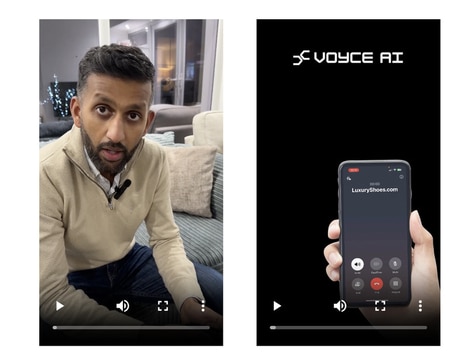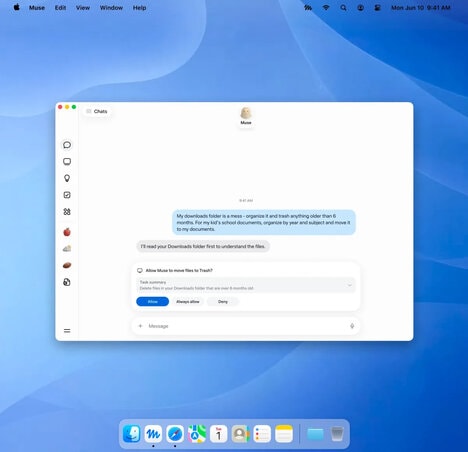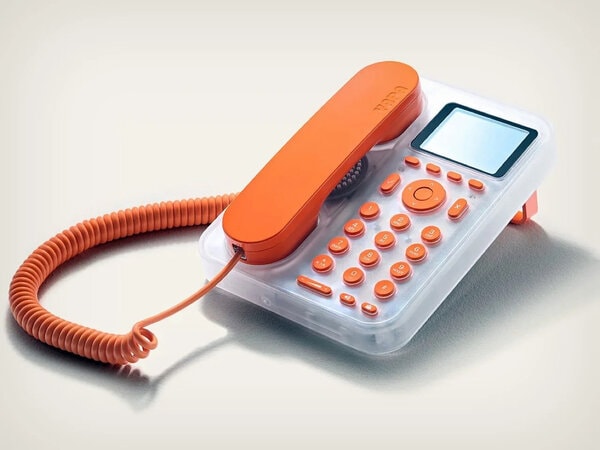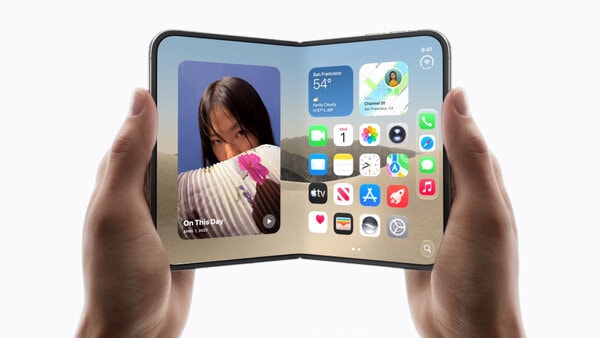
Muse added outbound calls to U.S. businesses, letting the AI assistant handle errands such as cable support, DMV calls and restaurant reservations. The service is available in the U.S. for paying users only.
Muse subscription plans start at $20 per month for 500 million tokens per week. Heavier users can pay $100 per month for 3 billion tokens, putting the calling feature in the same usage-based system as the rest of the assistant.
Muse shows how a $20 per month calling feature can tie a routine office task such as a cable support call to the paid tier instead of treating it as a free demo, while pushing AI assistants closer to everyday personal admin work could make voice-based automation feel more practical and less novelty-driven.
Image Credit: Meta/Alexandr Wang
What Makes This Trend Stand Out
- AI Errand Agents
- Consumer assistants that complete phone-based chores signal a shift from conversational novelty toward practical delegation for everyday administrative tasks.
- Subscription-based Automation
- Paid tiers that bundle token usage with calling capacity create new pathways for monetizing routine support, booking and service interactions.
- Voice-first Productivity
- Automated outbound calling expands the role of voice interfaces in personal and workplace productivity, making legacy phone systems accessible to AI-driven workflows.
Sectors Adopting This
- Virtual Assistant Services
- AI calling capabilities blur the line between software assistants and human admin support, opening space for scalable personal task management offerings.
- Telecommunications
- Outbound AI agents interacting with customer service lines introduce demand for phone networks and support systems that can authenticate and manage machine callers.
- Customer Service Technology
- As assistants increasingly contact businesses on behalf of users, service platforms face new opportunities around AI-compatible call routing, verification and resolution tools.