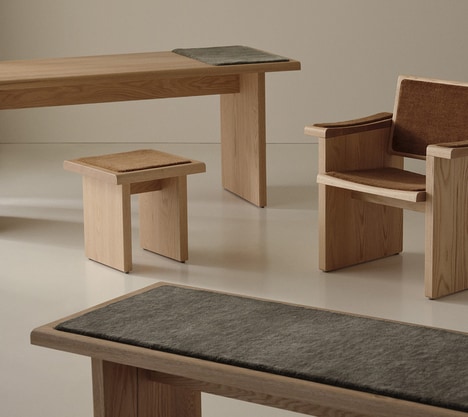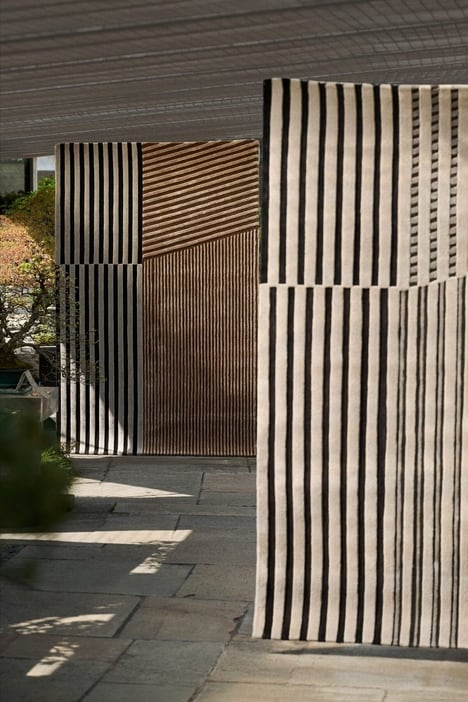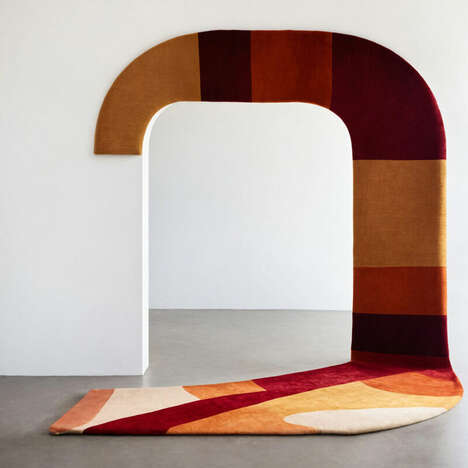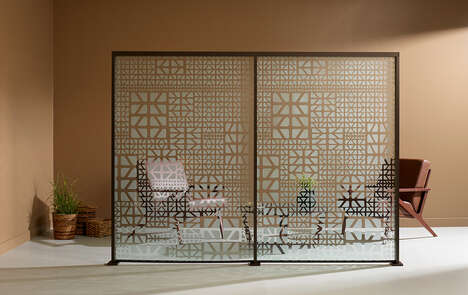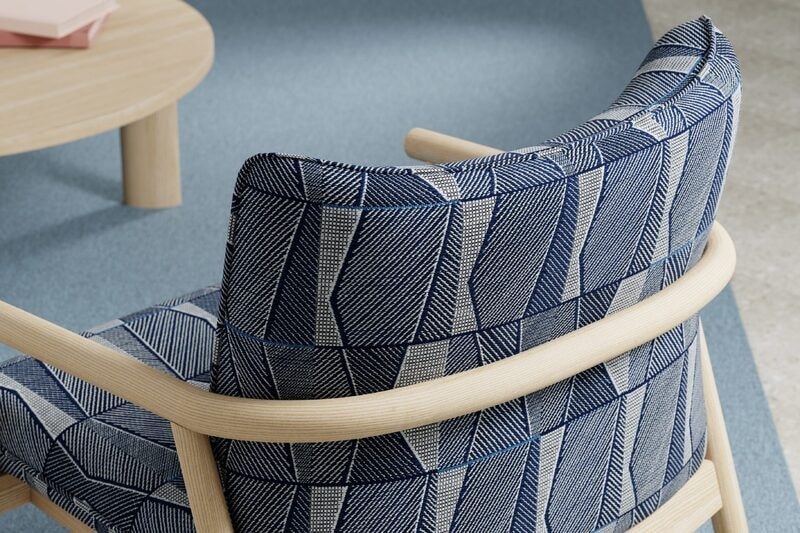
The Acre template by West Elm and Designtex presents a refined approach to pattern that merges craft and geometry. Developed as part of their ongoing collaboration, the textile collection uses a grid-based framework to create balanced compositions that can scale across upholstery, wall coverings, and soft furnishings. Each configuration retains cohesion through clear linework and proportion, allowing designers to integrate patterns seamlessly into spatial environments. The design favors quiet repetition over ornament, emphasizing structure and continuity within form.
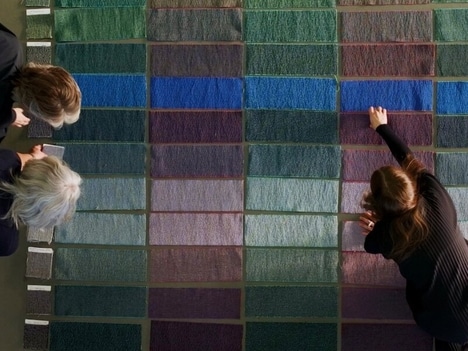
The material composition and finish play a central role in defining the collection’s tone. Layered weaves and subtle textural shifts introduce depth while maintaining the understated aesthetic associated with both brands. The Acre template positions pattern as a structural language for interiors, bridging decorative and architectural thinking. Through its modular clarity and tactile warmth, it demonstrates how surface design can shape the rhythm and atmosphere of contemporary space.
Image Credit: West Elm, Designtex
Why This Trend Is Growing
- Modular Pattern Innovation
- Modular patterns are being explored as a method to integrate seamless geometric designs into various interior applications, transforming surfaces into cohesive spatial structures.
- Grid-based Design Aesthetics
- Grid-based frameworks are gaining traction in the design world, offering a new way to balance composition and proportion for enhanced visual cohesion in interior decor.
- Textured Layered Weaves
- The use of layered weaves with subtle textural shifts is expanding in textile design, creating depth and tactile warmth while maintaining a minimalist aesthetic.
Industries Being Reshaped
- Interior Design
- The interior design industry is embracing the concept of using pattern as a structural language, bridging the gap between decoration and architectural elements.
- Textile Manufacturing
- Textile manufacturers are innovating with grid-based frameworks and layered weaves, enabling the production of materials that contribute to contemporary spatial rhythms.
- Home Furnishings
- Home furnishings are incorporating geometric and modular patterns into products like upholstery and wall coverings, redefining the atmosphere of modern living spaces.