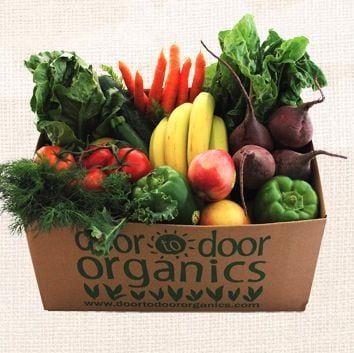

In a recent article on the Acumen blog by Bhaskar Chakravorti, called "Tomorrow's City Living Ideas From Today's Slums," the writer gives Abalimi Bezekhaya, a social business based in Cape Town, South Africa, as an example of bottom-up entrepreneurship. "Abalimi teaches local communities to grow organic vegetables first for survival, then to sell surplus produce to markets outside of the townships, with the goal of generating a livelihood," he writes. "Abalimi provides ongoing training, technical advice, cheap bulk inputs, irrigation, and other services."
Abalimi is also in line with a recent SocialBusiness.org top list, which included one hundred micro social innovations. Small, compact urban farms are also akin to community farming, that is, a "back to the farm" social and environmental renewal, a renewal that isn't in fact something new at all.
Contact Information
Abalimi Bezekhaya website
Abalimi Bezekhaya on Facebook
What Makes This Trend Stand Out
- Micro-farms
- The rise of community-led, urban micro-farms can disrupt the traditional agriculture industry, while enabling food security and sustainable consumption.
- Bottom-up Entrepreneurship
- Community-led initiatives like Abalimi Bezekhaya can disrupt traditional business models, creating opportunities for social entrepreneurs in agriculture and beyond.
- Micro Social Innovations
- Small-scale innovations like micro-farms have the potential to drive large-scale social and environmental change by reducing food waste and improving access to nutritious, locally-sourced food.
Sectors Adopting This
- Agriculture
- Micro-farms and community-led agriculture present opportunities to disrupt traditional supply chains and create job opportunities in sustainable, local food production.
- Social Entrepreneurship
- Bottom-up entrepreneurship models can disrupt traditional business methods, presenting opportunities for social entrepreneurs to address issues like food insecurity, climate change, and poverty.
- Sustainable Consumption
- Micro-farms can disrupt conventional food retail models by promoting locally-sourced, organic produce, creating opportunities for sustainable consumption and reducing carbon footprints.