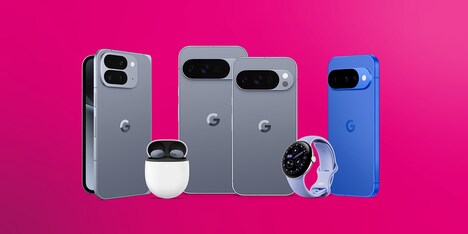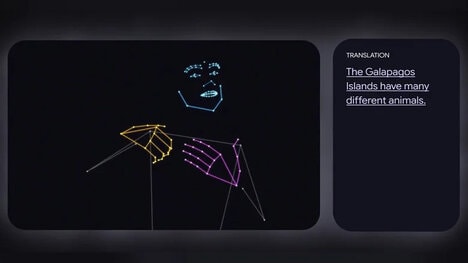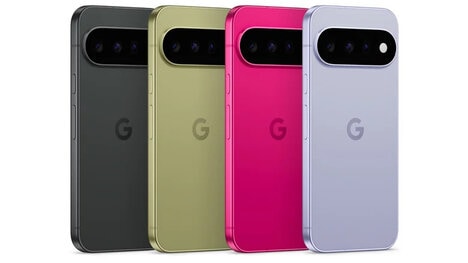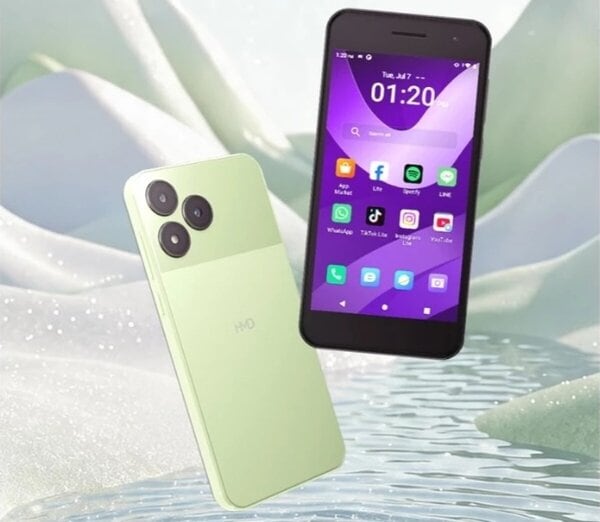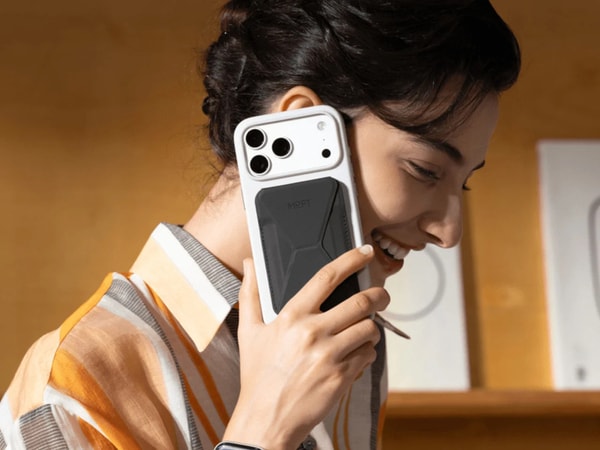
Sign-to-text AI tools are making mobile communication more accessible with Google's new SL2T model, which translates sign language directly into streaming text. Initially available for ASL-to-English on Pixel 11, the technology powers sign-based dictation in Gboard and Live Transcribe, allowing users to search, write messages, respond in conversations, and interact with Gemini through signing. The model was trained on more than 100,000 hours of data spanning over 50 sign languages and processes body landmarks rather than retaining raw video.
From a business perspective, SL2T demonstrates how accessibility features can expand the audiences able to use mainstream digital products. Integrating sign language into existing mobile services can help technology companies improve product inclusivity without requiring separate communication platforms. Google's plans to support additional devices and sign languages could also establish sign-based interaction as a broader input method across consumer technology.
Image Credit: Google
Part of the cluster
Embedded Intelligence
Devices increasingly process personal context where they are used
Explore the cluster
Why This Trend Is Growing
- Sign-based Mobile Input
- Mainstream phones are evolving beyond touch and voice to include signing as a natural interface, creating openings for more inclusive messaging, search, and app navigation experiences.
- Privacy-preserving Accessibility AI
- Processing body landmarks instead of raw video highlights a growing path for assistive AI that balances real-time personalization with user privacy expectations.
- Multilingual Gesture Translation
- Training across dozens of sign languages points to scalable communication systems that can bridge accessibility gaps across regions, workplaces, and digital services.
Industries Being Reshaped
- Mobile Technology
- Device makers and operating systems can differentiate core products by embedding sign-to-text capabilities directly into everyday communication tools.
- Assistive Technology
- Accessibility platforms may expand from specialized solutions into integrated AI services that support communication inside mainstream consumer ecosystems.
- Digital Communication
- Messaging, transcription, and virtual assistant providers gain new possibilities for serving users who rely on visual language rather than speech or typing.