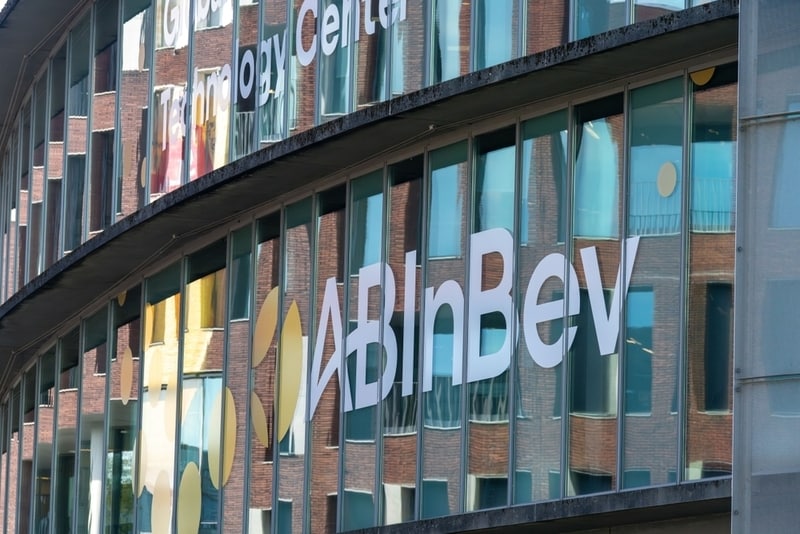
AB InBev unveiled a new wastewater treatment facility at its Samlesbury brewery as part of the brewer’s wider sustainability investments and growth strategy. The plant converts organic material from brewery wastewater into biogas, with boilers engineered to operate on both natural gas and biogas to help reduce fossil gas consumption and lower Scope 1 emissions.
The announcement coincided with the company’s Q1 2026 results, which showed 5.8% revenue growth driven by premium beer, Beyond Beer and no-alcohol portfolios alongside expanding digital sales channels such as BEES Marketplace and Zé Delivery. AB InBev reported a 27% increase in no-alcohol revenue and 37% growth in Beyond Beer, while BEES gross merchandise value rose 55% year over year.
For consumers and the wider industry, the Samlesbury investment links sustainability improvements directly to operational resilience and long-term brand growth, supporting expansion across premium and alcohol-free categories while reducing carbon emissions and water impact. The rollout reflects how large beverage companies are increasingly tying environmental infrastructure investments to commercial performance and consumer-facing innovation.
Image Credit: Shutterstock/Silvia Dubois
Why This Trend Is Growing
- Circular Wastewater-to-biogas
- The conversion of brewery effluent into biogas creates potential for on-site energy self-sufficiency and new revenue streams from renewable fuel integration.
- Premiumisation of Alcohol-free Portfolios
- Rapid growth in no-alcohol and Beyond Beer lines indicates a shift toward premium positioning and higher-margin alternatives within traditionally volume-driven categories.
- Digital Marketplace and Direct-to-consumer Expansion
- Surging GMV on platforms like BEES suggests an increased reliance on proprietary digital channels to capture data-rich customer segments and tailor premium offerings.
Industries Being Reshaped
- Brewing and Beverage Manufacturing
- Investment in sustainable processing infrastructure ties production resilience to brand premiumisation and opens avenues for differentiated, eco-labeled product lines.
- Renewable Energy and Waste Management
- On-site biogas generation from organic waste points to distributed energy systems that could disrupt centralized utility models and create feedstock-to-fuel value chains.
- E-commerce and Last-mile Delivery
- Growth of marketplace ecosystems and delivery services highlights opportunities for vertically integrated logistics and subscription-based premium product distribution.