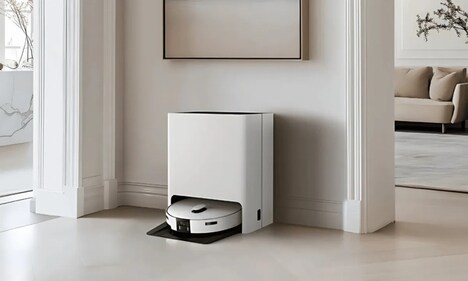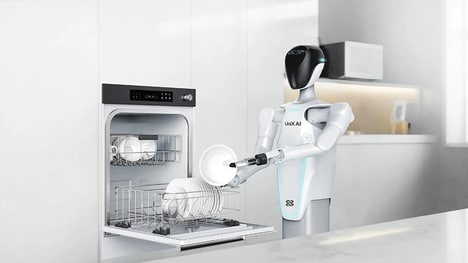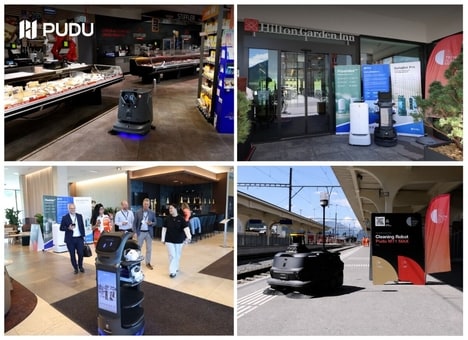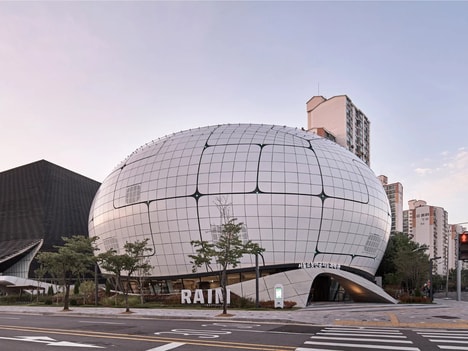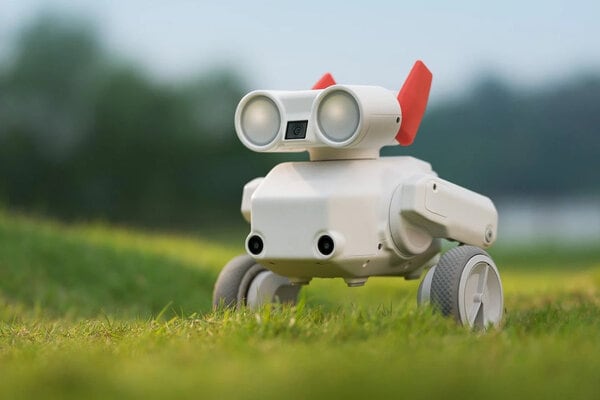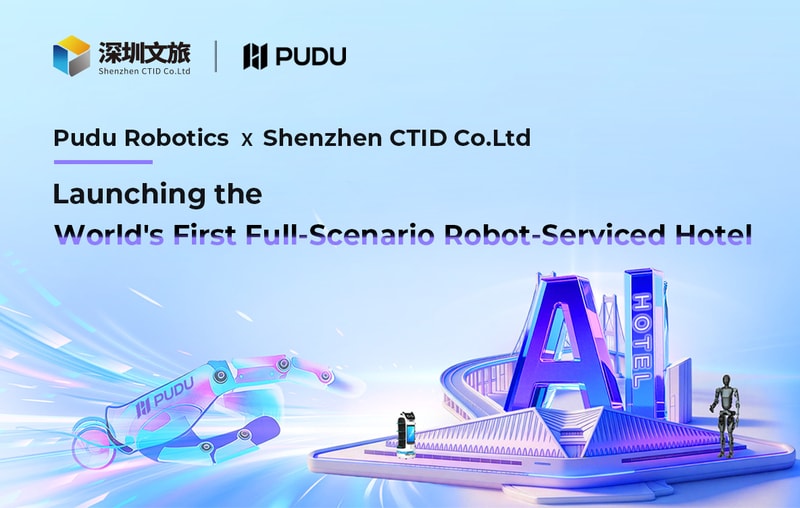
Robot-orchestrated hotels are moving hospitality beyond single-purpose automation by connecting multiple AI-powered robots into one coordinated service ecosystem. Pudu Robotics and Shenzhen CTID are launching a hotel where robots manage reception, check-in, room delivery, cleaning, dining support and guest assistance through a shared embodied AI platform, creating a seamless experience from arrival to departure. The connected system allows different robot types to communicate, share information and adapt to changing guest needs instead of operating independently.
For hospitality businesses, this model can reduce operational costs, address labor shortages and improve service consistency while allowing staff to focus on higher-value guest interactions. A unified robotics platform also simplifies scaling across multiple properties by using shared software and centralized management. As connected robotic ecosystems mature, hotels can introduce new services, personalize guest experiences through shared operational data and establish more resilient, technology-driven operations that differentiate them in an increasingly competitive hospitality market.
Image Credit: Pudu Robotics/Shenzhen CTID
Key Themes Behind This Trend
- Coordinated Service Robotics
- Hotels that connect multiple robot types through shared AI systems create new potential for consistent, scalable service ecosystems across guest-facing and back-of-house operations.
- Embodied AI Hospitality
- AI-powered physical agents embedded throughout hotel environments introduce opportunities for adaptive guest support, operational learning and context-aware service personalization.
- Autonomous Guest Journeys
- End-to-end robotic assistance from check-in to room delivery signals a shift toward frictionless stays shaped by automation, data continuity and responsive infrastructure.
Where This Applies
- Hospitality
- Hotels and resorts can differentiate through integrated automation models that reduce staffing pressure while elevating consistency across reception, dining, cleaning and delivery services.
- Robotics
- Service robotics providers gain room to expand from single-task machines into interoperable platforms that coordinate fleets across complex commercial environments.
- Property Technology
- Smart building and hotel management systems are increasingly positioned to incorporate robotic operations, centralized data flows and automated service orchestration.