During a recent visit to PATRÓN Hacienda in the picturesque town of Atotonilco El Alto, Jalisco, I had the opportunity to experience firsthand how tradition, community, and craftsmanship come together in every bottle of PATRÓN tequila.
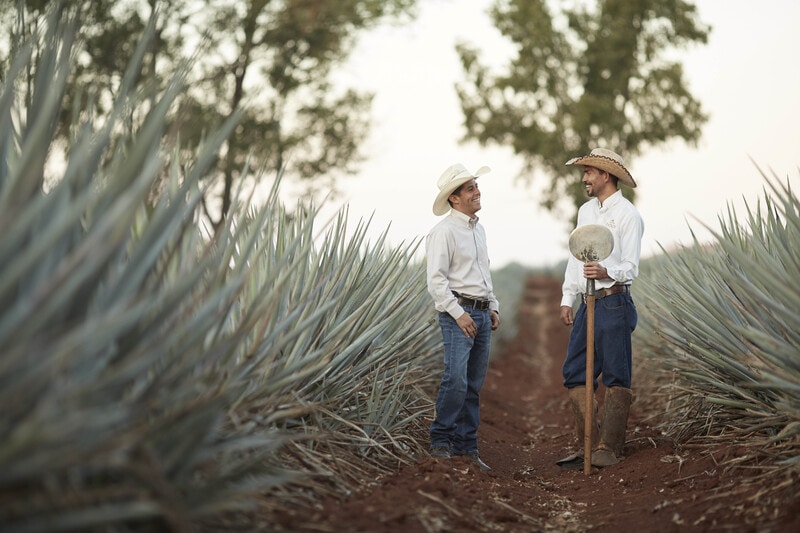
We started in the beautiful Blue Weber agave fields, where I saw how much care goes into growing the agave, not just harvesting, but nurturing it over years. What stood out most was PATRÓN’s deep-rooted connection with its growers—many of whom have partnered with the brand for generations. Beyond paying a premium for agave, PATRÓN invests in long-term stability and fair, enduring partnerships that support these farming families.
Watching the Jimadores at work was a true highlight. With impressive precision, they used the traditional coa to trim each agave down to its piña, the plant’s core. I was fascinated to learn that agave thrives on natural rainfall alone and takes 5 to 7 years to mature, with new shoots carefully replanted to sustain the cycle.
Back at PATRÓN Hacienda, we toured the distillery and went through the production process from start to finish. Each bottle of PATRÓN passes through at least 60 hands before it’s ready, staying true to the time-honored recipe: just 100% blue weber agave, yeast, and water. Each agave is hand-cut and slow-baked in clay brick ovens for 79 hours before being crushed using two methods: a roller mill and the traditional tahona. This dual approach helps create the layered, distinctive flavor profiles PATRÓN is known for.
Fermentation happens in pine wood tanks, and each batch is distilled in small copper pot stills based on the original design by PATRÓN’s first master distiller, Francisco Alcaraz. Once the distillation is complete, the fermented mixtures are carefully blended to produce the renowned PATRÓN Silver. Meanwhile, the aged variants are put in wood barrels—Reposado matures for at least four months, while Extra Añejo is aged for a full ten years. Every bottle is then hand-packaged, leaving the distillery only once it meets PATRÓN’s highest standards of quality.
Beyond the craftsmanship, what resonated most was PATRÓN's deep commitment to sustainability and ethical practices. From a reverse osmosis system that recycles water to an on-site composting facility that turns agave waste into fertilizer for local farms, PATRÓN is actively closing the loop by giving back to both the land and the community.
We also took part in a guided tequila tasting, where I learned about common additives used in the industry—like glycerin, caramel, oak extract, and jarabe (simple syrup)—often added to enhance color or flavor. What sets PATRÓN apart is its refusal to use any of them. The tequila is 100% additive-free, crafted with natural ingredients and time-honored methods. It’s a rare combination of tradition and innovation that defines the brand’s commitment to purity and quality.
The day wrapped up with authentic Mexican cuisine and even warmer hospitality. The entire experience left me with a newfound appreciation—not just for tequila, but for the people behind PATRÓN who are redefining excellence by doing things the right way.
What Makes This Trend Stand Out
- Sustainable Spirits Production
- The emergence of environmentally responsible distilling techniques, such as water recycling and waste composting, showcases innovation in reducing ecological footprints within the spirits industry.
- Farm-to-bottle Authenticity
- Increasing transparency from agave cultivation to bottle production supports a trend where consumers value the story and authenticity behind their spirits.
- Additive-free Spirits Movement
- A growing preference for purity in alcoholic beverages is driving innovation towards crafting spirits without the use of flavor or color additives.
Sectors Adopting This
- Premium Tequila
- The premium tequila industry is focusing on traditional craftsmanship and authenticity to distinguish itself from mass-produced competitors.
- Sustainable Alcohol Production
- Producers within this industry are innovating by incorporating sustainable practices such as circular resource management to meet eco-conscious consumer demands.
- Agro-tourism
- Visitors seeking immersive and educational experiences in alcohol production are contributing to the growth of agro-tourism, integrating tours of agricultural, processing, and tasting processes.