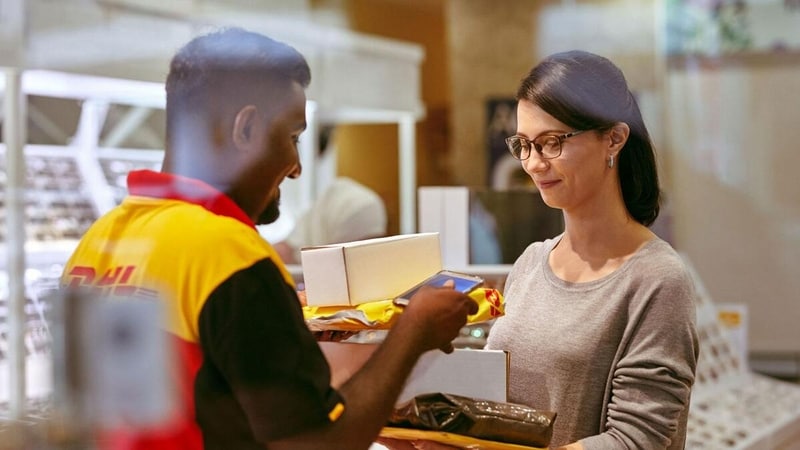
Integrated last-mile logistics is reshaping e-commerce fulfillment by combining specialized logistics networks with established delivery infrastructure. DHL eCommerce’s exclusive multi-year agreement with USPS strengthens this model by pairing DHL’s automated sorting hubs, transportation network, and parcel management capabilities with USPS’s extensive last-mile reach. This approach allows parcels to move efficiently through the supply chain while ensuring delivery coverage across millions of U.S. addresses. By leveraging complementary strengths, both organizations can improve service reliability, scalability, and operational efficiency as online shopping volumes continue to grow.
The broader market impact highlights the increasing importance of collaborative logistics ecosystems. Retailers benefit from faster and more dependable delivery options without investing heavily in their own fulfillment infrastructure. Logistics providers can expand capacity, reduce transportation inefficiencies, and improve sustainability through shared networks. As e-commerce demand rises, partnership-driven delivery models may become a key strategy for balancing customer expectations, cost management, and nationwide service coverage.
Image Credit: DHL
What Makes This Trend Stand Out
- Collaborative Delivery Networks
- Shared logistics ecosystems create room for platform-based fulfillment models that combine national coverage with specialized sorting, routing, and parcel intelligence.
- Hybrid Last-mile Fulfillment
- Blending private logistics capabilities with public delivery infrastructure enables scalable parcel services that can adapt to e-commerce demand spikes without duplicating assets.
- Automated Parcel Optimization
- Advanced sorting hubs and data-driven transportation management support more predictive delivery flows, opening pathways for lower-cost and more reliable fulfillment experiences.
Sectors Adopting This
- E-commerce
- Retail marketplaces gain access to more dependable nationwide delivery capacity, creating new potential for smaller sellers to compete through faster and broader fulfillment options.
- Logistics
- Parcel carriers benefit from interconnected infrastructure models that reduce network inefficiencies while expanding capacity across dense urban markets and remote delivery zones.
- Retail Technology
- Fulfillment software, delivery analytics, and inventory orchestration platforms become more valuable as retailers coordinate across multiple logistics partners and last-mile providers.