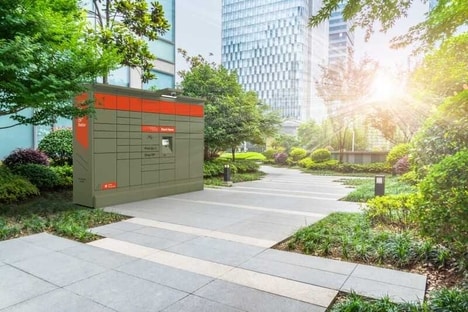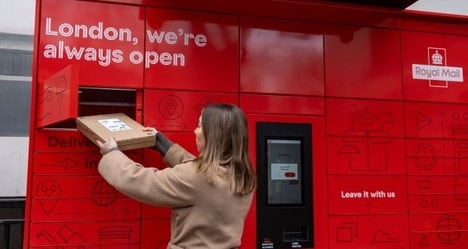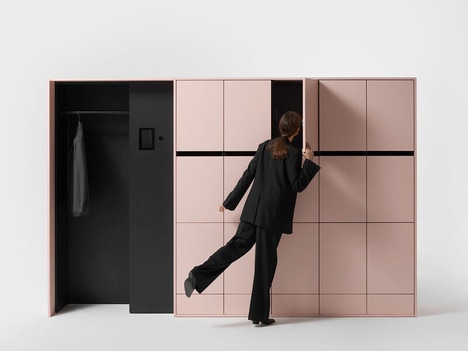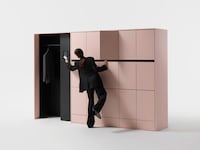
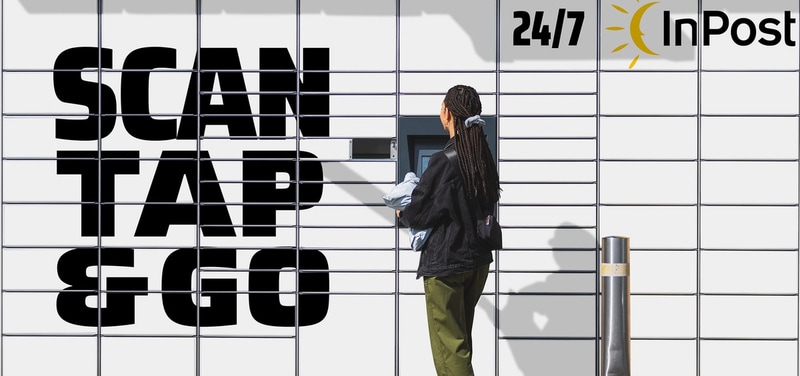
AI-powered parcel locker delivery is reshaping how retailers approach fulfillment and customer convenience. The partnership between The Very Group and InPost reflects a growing shift toward flexible, self-service delivery models that give consumers greater control over when and where they receive their purchases. By integrating parcel lockers into both returns and outbound deliveries, retailers can reduce missed deliveries, streamline logistics, and improve the overall shopping experience.
For retailers, the move highlights the increasing importance of fulfillment flexibility as a competitive differentiator. Locker networks can help lower last-mile delivery costs, reduce operational inefficiencies, and support faster order collection without requiring customers to be home. The model also encourages stronger customer loyalty by offering greater convenience and reliability. As demand for alternative delivery options continues to grow, e-commerce brands and logistics providers may invest further in self-service pickup infrastructure to meet changing consumer expectations and create more efficient delivery ecosystems.
Image Credit: The Very Group
What Makes This Trend Stand Out
- Self-service Fulfillment
- Automated pickup and drop-off networks create new value in retail by shifting delivery control to consumers while lowering the cost and complexity of last-mile logistics.
- AI-powered Lockers
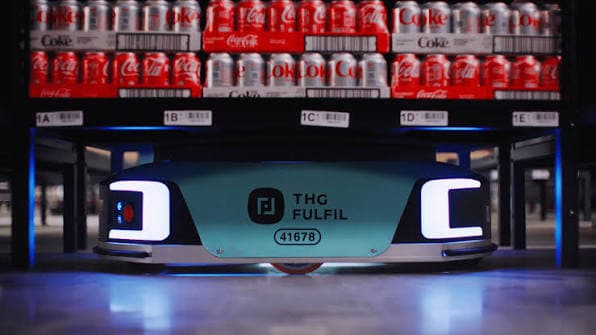
- Predictive locker allocation and real-time capacity management enable more efficient parcel flows, turning physical collection points into intelligent nodes within e-commerce infrastructure.
- Flexible Returns
- Convenient locker-based returns reduce friction after purchase and support loyalty by making reverse logistics faster, more reliable, and less dependent on staffed locations.
Sectors Adopting This
- E-commerce
- Online retailers gain differentiation from delivery models that combine convenience, speed, and customer autonomy across both order collection and returns.
- Logistics
- Parcel carriers and fulfillment providers benefit from distributed locker networks that reduce failed deliveries, consolidate routes, and improve asset utilization.
- Retail Technology
- Digital platforms connecting inventory, delivery tracking, locker access, and customer notifications represent an expanding layer of infrastructure for omnichannel commerce.