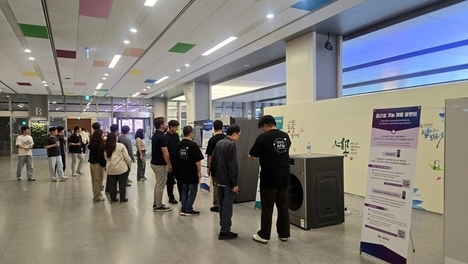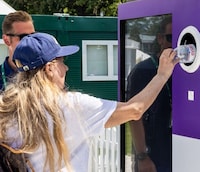
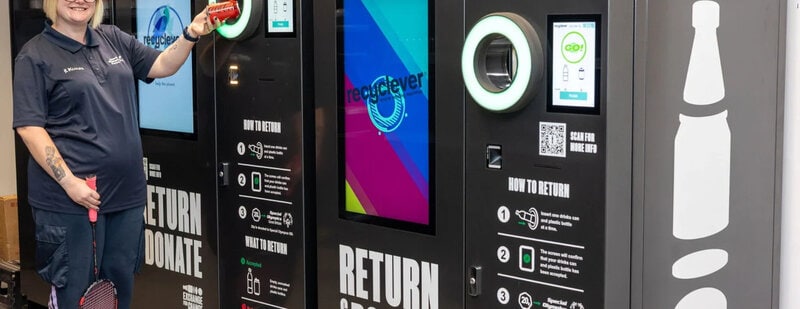
CCEP, Exchange for Change, and Special Olympics GB are conducting inclusive recycling trials to explore how the UK's future Deposit Return Scheme can accommodate people with different abilities. Taking place during the Special Olympics GB National Summer Games in Birmingham, the trial invites athletes with intellectual disabilities, spectators, volunteers, and supporters to use Reverse Vending Machines and provide feedback on their accessibility. Researchers will assess how participants understand machine instructions and recycling messages while identifying potential barriers.
The initiative gives prospective users a role in shaping the Deposit Return Scheme before its nationwide launch in 2027. Findings could help operators improve machine interfaces, instructions, and accessibility guidance, potentially encouraging broader participation once the program launches. For beverage companies and recycling technology providers, testing systems with diverse users before large-scale deployment can reduce usability issues while supporting higher container-return rates and more inclusive circular economy infrastructure.
Image Credit: CCEP
Why This Trend Is Growing
- Accessible Reverse Vending
- Reverse vending systems designed around varied cognitive and physical needs can expand recycling participation while improving return rates for deposit schemes.
- Inclusive Circular Infrastructure
- Circular economy programs that incorporate feedback from disabled users can reveal overlooked barriers in public-facing sustainability systems.
- Pre-launch Usability Trials
- Early testing with diverse communities creates opportunities to refine machine interfaces, messaging, and service design before national deployment.
Industries Being Reshaped
- Recycling Technology
- Vendors developing reverse vending machines can differentiate through accessibility-focused hardware, multilingual guidance, and adaptive user interfaces.
- Beverage Packaging
- Brands tied to deposit return schemes may benefit from packaging and labeling strategies that make container returns clearer for broader consumer groups.
- Public Infrastructure
- Government and venue operators can treat inclusive recycling access as part of wider smart-city and accessibility planning for shared public spaces.