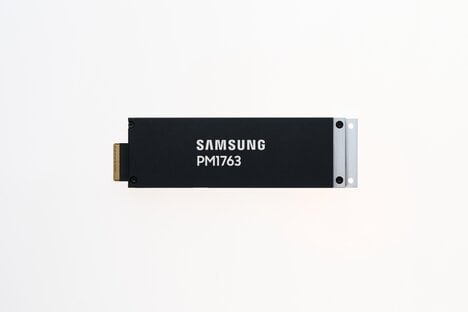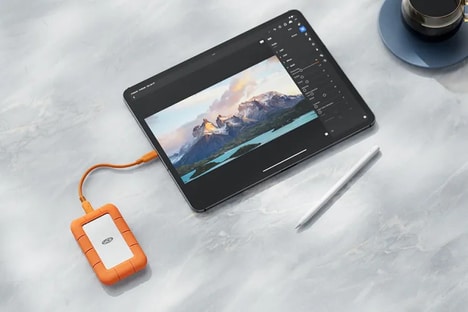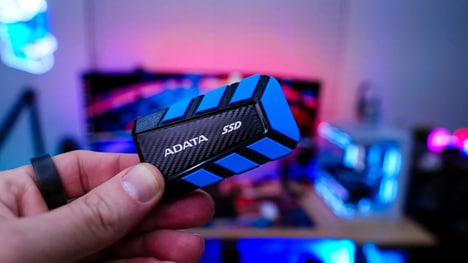
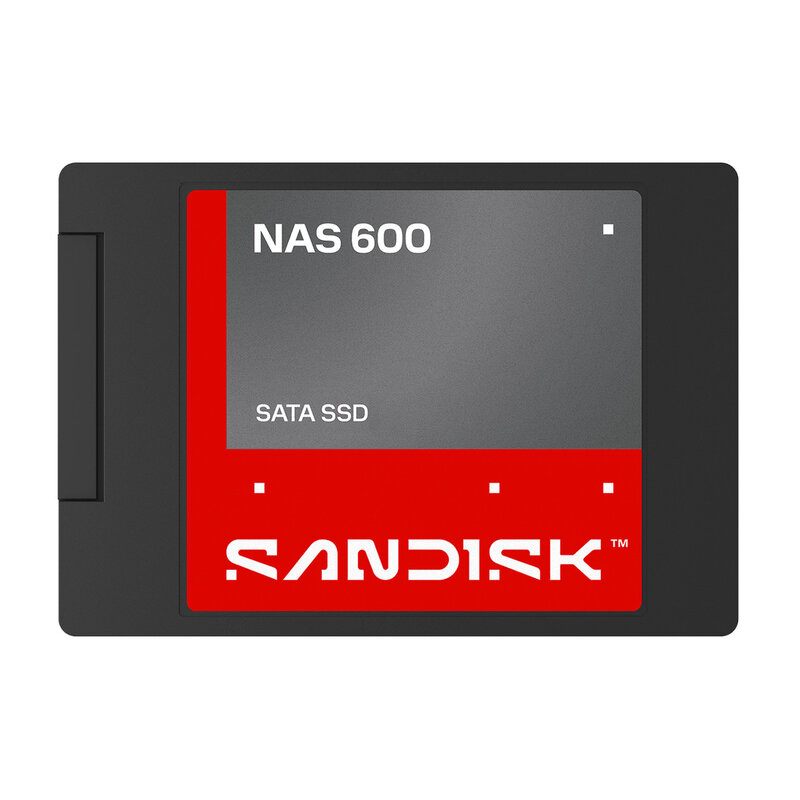
High-endurance NAS storage is supporting more demanding private cloud environments as Sandisk introduces two SSDs designed specifically for network-attached storage. The SANDISK NAS 600 SATA SSD provides an upgrade path for businesses replacing hard drives or adding flash caching, while the NAS 800 NVMe SSD uses PCIe 5.0 technology for all-flash and hybrid systems. The drives are engineered for continuous multi-user workloads spanning content creation, databases, virtualization and agentic AI, with high endurance ratings and capacities reaching 7.68TB.
From a business perspective, dedicated NAS SSDs can help small businesses and creative professionals improve storage performance while maintaining greater control over locally managed data. Sandisk can also capture demand from organizations modernizing existing NAS infrastructure rather than moving entirely to public cloud services. Supporting both accessible SATA upgrades and higher-performance NVMe deployments allows the company to address customers at different stages of storage modernization.
Image Credit: SANDISK
What Makes This Trend Stand Out
- Private Cloud Modernization
- Locally managed infrastructure is gaining renewed relevance as businesses seek higher performance, data control and cloud-like scalability without relying solely on public cloud migration.
- High-endurance Flash Storage
- Purpose-built SSDs for always-on workloads create openings for storage systems that can handle continuous multi-user activity across AI, databases and content production.
- Hybrid NAS Acceleration
- Combining legacy NAS environments with flash caching and NVMe performance introduces a practical bridge between traditional hard-drive storage and fully modernized all-flash systems.
Sectors Adopting This
- Data Storage
- Specialized NAS SSDs expand the market for infrastructure products optimized around endurance, capacity and private cloud workload reliability.
- Cloud Computing
- Private cloud deployments are reshaping cloud strategies by supporting organizations that need stronger data sovereignty, predictable performance and localized management.
- Creative Technology
- Media production teams benefit from faster shared storage environments that support large files, collaborative editing and continuous access across demanding creative workflows.