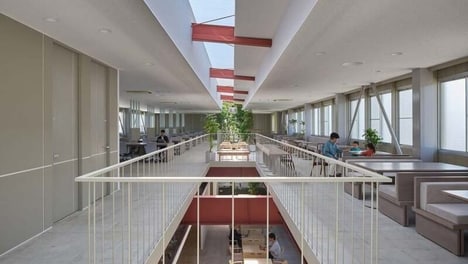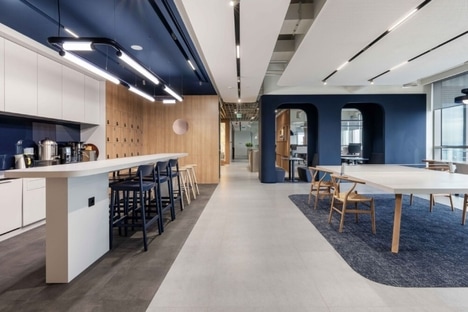

Founder ecosystem hubs are reshaping how cities support startup growth by combining flexible workspaces, venture capital access, mentorship, and networking into centralized environments. Rev1 at The Peninsula reflects this shift by creating a downtown innovation center specifically designed for software and advanced technology startups. Instead of relying on traditional office models, the space focuses on collaboration, scalability, and founder-focused resources that help early-stage companies grow faster. The model also aligns with the rise of hybrid work, where startups prioritize community access and strategic partnerships over large permanent offices.
The business implications extend beyond individual startups. By concentrating founders, investors, and support services in one location, cities can strengthen regional economic development and attract more technology talent. These hubs also increase startup visibility and funding opportunities while supporting long-term commercial growth in urban districts. As more cities compete to establish themselves as technology centers, founder-focused ecosystems may become an increasingly important driver of innovation-based economic expansion.
Image Credit: Rev1 Ventures
What Makes This Trend Stand Out
- Centralized Founder Ecosystems
- Concentrating workspaces, investors, and support services in single locations creates dense innovation clusters that can upend traditional dispersed startup support models.
- Hybrid Community-driven Work Models
- Blending flexible office access with curated community events reshapes workspace value away from square footage toward network-enabled growth potential.
- Integrated Capital-mentorship Networks
- Embedding funding access and tailored mentorship within physical hubs forms a seamless pipeline that shortens funding cycles and accelerates commercialization.
Sectors Adopting This
- Urban Economic Development
- Municipal strategies that prioritize founder hubs can transform downtown districts into innovation corridors that attract talent and diversify local economies.
- Commercial Real Estate
- Property models focused on flexible, amenity-rich innovation centers are redefining asset value by monetizing community and service-driven demand rather than long-term leases.
- Venture Capital and Acceleration Services
- Investor firms and accelerators embedded within hub ecosystems gain continuous deal flow and deeper founder engagement that can change portfolio sourcing and support practices.