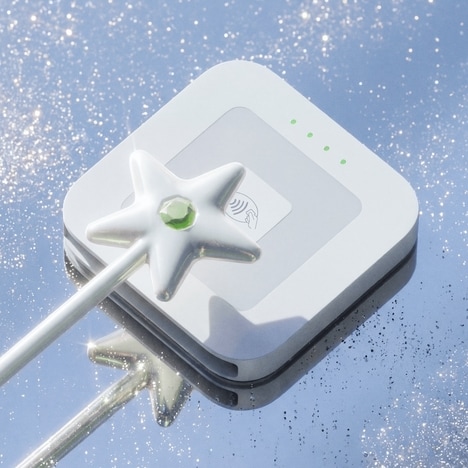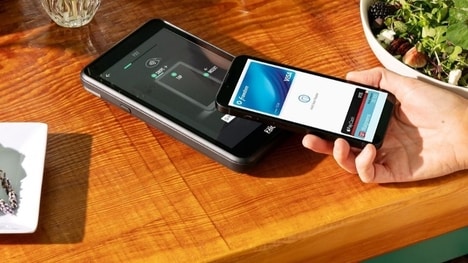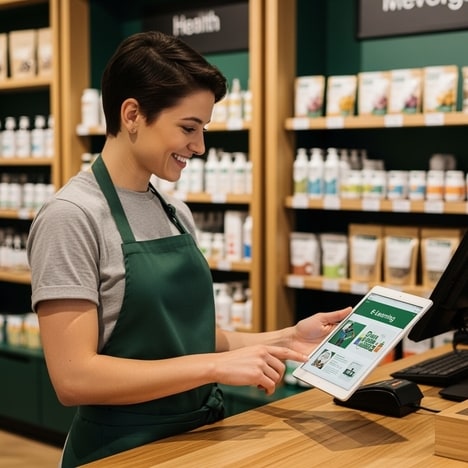
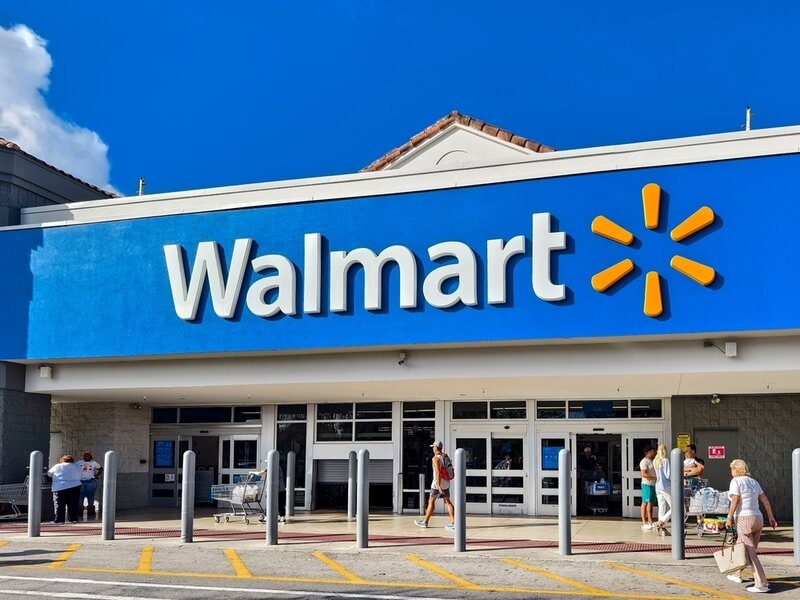
Contactless retail payments are becoming more accessible as Walmart introduces Tap to Pay across its U.S. retail network. Beginning August 24 at select locations, customers will be able to pay using eligible contactless cards, smartphones or smartwatches at Walmart and Sam’s Club checkouts. The retailer plans to expand the capability to all U.S. stores and clubs by the end of 2026, followed by fuel stations by mid-2027. Eligible Walmart, Sam’s Club and OnePay cards can also be added to digital wallets for contactless purchases.
For Walmart, supporting Tap to Pay removes friction for shoppers already accustomed to digital wallets while complementing Walmart Pay and Sam’s Club Scan & Go. The broader payment selection could help speed up transactions and improve checkout convenience. It also strengthens Walmart’s financial services ecosystem by making its branded cards easier to use across digital wallets and physical locations.
Image Credit: MDV Edwards / Shutterstock.com
Why This Trend Is Growing
- Wallet-first Checkout
- Digital wallet adoption is reshaping in-store payment expectations, creating room for payment experiences that blend speed, loyalty and identity into a single checkout interaction.
- Contactless Store Infrastructure
- Retailers upgrading terminals for tap-based payments are opening pathways for faster throughput, richer transaction data and more flexible omnichannel service models.
- Embedded Retail Finance
- Branded cards integrated into digital wallets point to expanding financial ecosystems where retailers can deepen customer relationships beyond the point of sale.
Industries Being Reshaped
- Retail
- Large-scale contactless payment rollouts signal a shift toward convenience-led store formats that reduce checkout friction and support more connected customer journeys.
- Financial Services
- Card issuers, banks and fintech providers gain new relevance as retailer-backed payment products become easier to access through mobile wallets and physical checkout lanes.
- Payment Technology
- Point-of-sale hardware, digital wallet platforms and transaction software are converging around tap-to-pay functionality, creating demand for interoperable and scalable payment solutions.