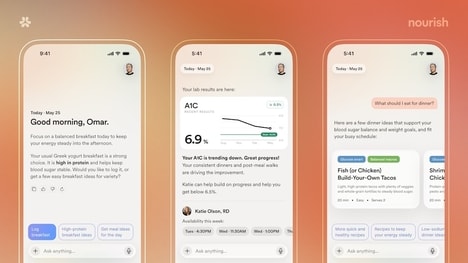

AI specialty care platforms are expanding as healthcare providers use clinical AI to connect primary care with specialist services through a single virtual platform. Hartford HealthCare's expansion of its HHC 24/7 service with K Health introduces endocrinology as its first specialty, enabling patients with chronic conditions such as diabetes and thyroid disorders to move more seamlessly between providers. AI supports scheduling, intake, clinical documentation and care coordination, reducing administrative friction while improving continuity of care.
For healthcare organizations, this model helps increase specialist capacity, shorten wait times and make better use of existing clinical resources without requiring separate digital systems. Connected virtual care also strengthens patient retention by keeping treatment within one integrated ecosystem. As health systems broaden AI-enabled specialty offerings into additional disciplines, they can create more efficient longitudinal care models that improve operational performance while making complex care more accessible and convenient for patients.
Image Credit: Hartford HealthCare
What's Driving This Trend
- AI-connected Specialty Care
- Virtual platforms that link primary care and specialist workflows create new models for faster referrals, coordinated treatment and scalable chronic disease management.
- Integrated Chronic Care
- Longitudinal digital ecosystems for diabetes, thyroid disorders and other complex conditions reveal opportunities to improve retention, adherence and care continuity.
- Clinical Workflow Automation
- AI-supported intake, documentation, scheduling and coordination reduce administrative burden while enabling providers to expand specialist access without proportional staffing growth.
Who This Affects Most
- Digital Health
- Unified care platforms are reshaping virtual medicine by combining AI triage, specialist access and ongoing patient management in one connected environment.
- Healthcare Systems
- Provider networks gain operational advantages from AI-enabled specialty expansion that increases capacity, lowers wait times and keeps patients within integrated care pathways.
- Medical Software
- Enterprise clinical platforms have room to differentiate through interoperable tools that support documentation, referrals and multidisciplinary care coordination.