
Rylo, the Israeli accessibility startup formerly known as Nagish, raised $85 million at an estimated $500 million valuation to expand its AI-powered communication platform for deaf and hard-of-hearing users. Founded by Tomer Aharoni and Alon Ezer, the company provides real-time speech-to-text and text-to-speech technology that enables users to conduct phone calls independently without relying on traditional relay centers.
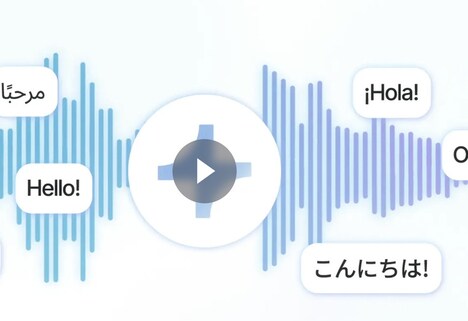
The platform transcribes conversations in real time and converts typed responses into spoken language for the other party, supporting 50 languages. Rylo recently obtained an FCC license, allowing it to be compensated through a federally funded U.S. program, and has also expanded into sign-language translation through its acquisition of Sign.mt, a company developing real-time sign-language recognition and translation technology.
For consumers, Rylo offers greater independence when making phone calls and accessing services by reducing reliance on intermediary operators. The company’s growth highlights a broader trend toward AI-powered accessibility tools that help deaf and hard-of-hearing individuals communicate more easily across everyday interactions.
Image Credit: Rylo
What Makes This Trend Stand Out
- AI Accessibility Platforms
- Real-time speech, text, and sign-language intelligence is reshaping assistive communication by replacing intermediary-dependent services with autonomous, always-available digital tools.
- Multilingual Voice Conversion
- Support for dozens of languages creates room for communication systems that make accessible phone calls, customer service, and public services usable across global markets.
- Real-time Sign Translation
- Computer vision and language models are expanding accessibility beyond captions by enabling instant interpretation of signed communication in everyday digital interactions.
Sectors Adopting This
- Assistive Technology
- AI-powered communication tools are shifting the sector from specialized hardware and relay services toward scalable software platforms for independent access.
- Telecommunications
- Federally supported accessibility programs and real-time transcription capabilities are creating new service models for inclusive calling infrastructure.
- Digital Health
- Accessible communication platforms have growing relevance in care coordination, where independent phone and video interactions can improve access for deaf and hard-of-hearing patients.