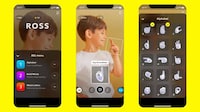
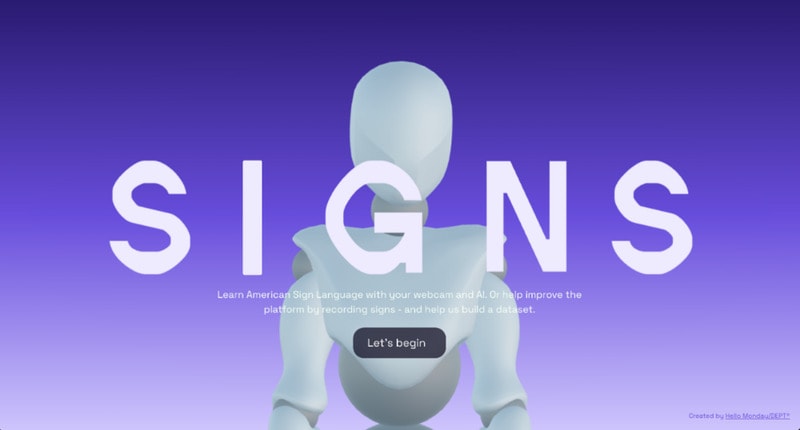
Signs x NVIDIA introduces an AI-powered platform that teaches American Sign Language (ASL) and bridges communication gaps between deaf and hearing communities. Created in partnership with the American Society for Deaf Children and creative agency Hello Monday, Signs employs 3D avatars and real-time AI feedback to create an interactive learning environment for all.
Nvidia trained its AI model on a broad dataset of over 400,000 video clips, covering approximately 1,000 signed words. With the clips validated by fluent ASL users and interpreters, learners on Signs are assured that they're getting a quality educational experience.
Currently, Signs focuses on hand movements and finger positions but non-manual signals—like facial expressions and head movements—are useful for adding meaning, and there's potential for them to be incorporated into future updates.
Key Themes Behind This Trend
- AI-enhanced Language Learning
- Integrating AI to enhance language learning platforms is transforming the accessibility and effectiveness of acquiring new languages.
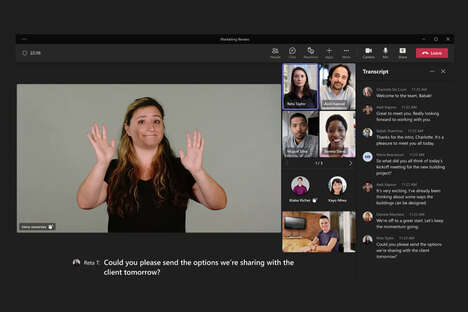
- Real-time Sign Language Translation
- Real-time translation features are revolutionizing communication accessibility for sign language users by providing immediate understanding across language barriers.
- 3D Avatars in Education
- The use of 3D avatars in educational tools offers immersive and interactive learning experiences that can cater to diverse learning styles.
Where This Applies
- Educational Technology
- Advancements in educational technology are enhancing personalized learning experiences and making education more inclusive.
- Assistive Technology
- Assistive technology innovations are bridging communication gaps and fostering inclusion for individuals with disabilities.
- Artificial Intelligence
- The artificial intelligence sector is pioneering tools that not only learn but also adapt to nuanced human communication methods.