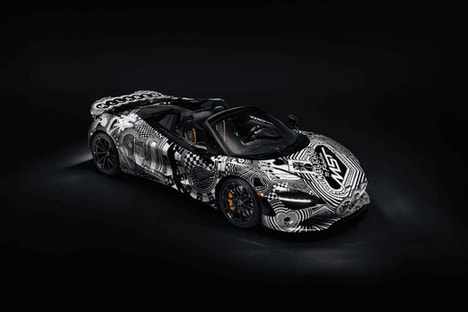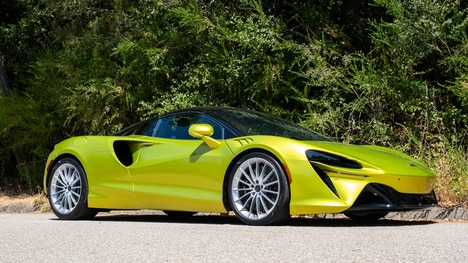
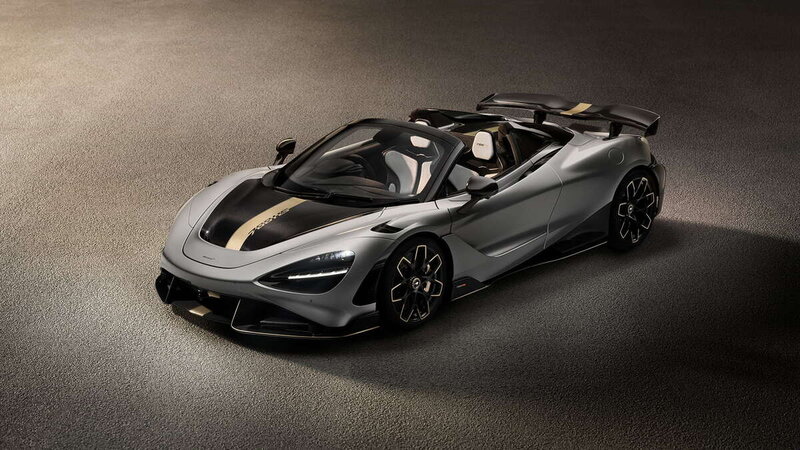
McLaren introduced the 788HS High Sport as the final, ultra-focused evolution of the 720S platform, featuring a retuned M840T twin-turbo V8 and a revised quad-exit titanium exhaust designed to enhance high-RPM performance and sound. Available in both coupe and Spider variants, the road-legal supercar combines reduced weight with upgraded chassis dynamics and aerodynamic refinements.
The 788HS features Proactive Chassis Control III suspension, a lowered front ride height, center-lock Super Lightweight forged wheels and Senna-derived carbon-ceramic brakes with six-piston front calipers. Aerodynamic upgrades include a multizone front splitter, louvered underwing panels, an active rear spoiler and an S-duct scoop on the coupe, increasing downforce and brake cooling. The model also offers steering-wheel-mounted drive modes, McLaren Control Launcher profiles and the McLaren Infotainment System II.
Limited to 200 individually commissioned examples built by McLaren Special Operations, the 788HS delivers a highly customizable driving experience that blends race-inspired engineering with everyday usability. The model reflects the growing appeal of exclusive, low-volume supercars that prioritize lightweight performance and driver engagement.
Image Credit: McLaren
What's Driving This Trend
- Ultra-limited Performance Editions
- Scarcity-driven vehicle programs create premium positioning around low-volume engineering, bespoke allocation and collector-grade ownership experiences.
- Road-legal Track Engineering
- Race-derived aerodynamics, braking systems and chassis tuning are blurring the line between daily usability and circuit-focused performance.
- Bespoke Supercar Personalization
- Individual commissioning models expand revenue potential through customization ecosystems spanning materials, tuning, digital interfaces and brand-exclusive services.
Who This Affects Most
- Luxury Automotive
- High-performance limited editions reinforce opportunities for automakers to combine exclusivity, lightweight design and advanced personalization into higher-margin product lines.
- Motorsport Technology
- Track-proven components such as active aero, carbon-ceramic brakes and adaptive suspension support technology transfer into premium road vehicles.
- Advanced Materials
- Carbon fiber, titanium and lightweight forged components highlight demand for material innovations that improve performance, efficiency and sensory driving appeal.