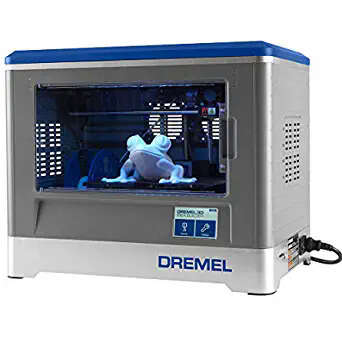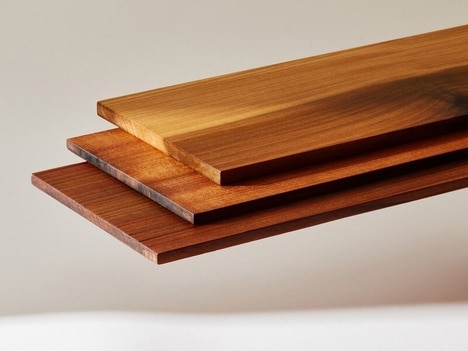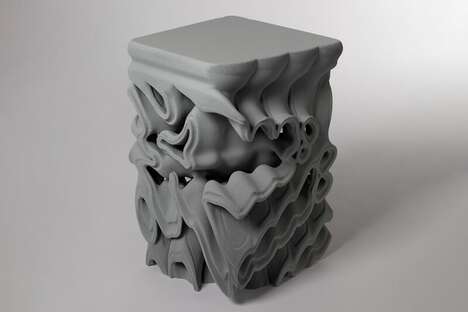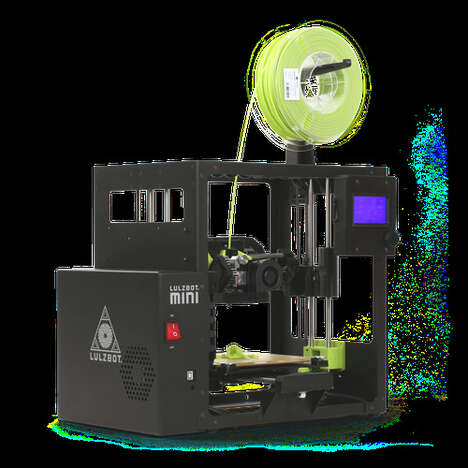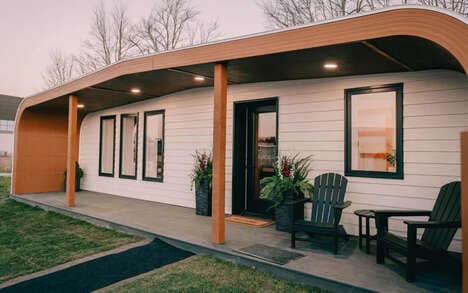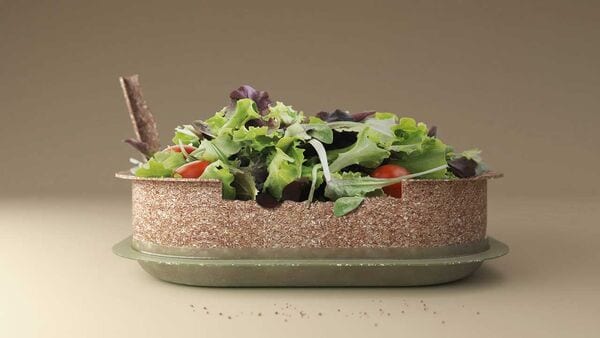


Forust is pushing the possibilities of 3D printing with its 3D-printed wood and a process that combines two wood industry by-products (sawdust and lignin) to create high-strength, sustainable products with lifelike grains. While there are many products on the market that are wood-like, Forust sets itself apart with 3D-printed, digitally rematerialized wood.
As Forust describes, "3D printing opens a new design space for wood-based products. Because parts are formed layer by layer without the need for supports, designers can optimize parts and create complex features which would be difficult—if not impossible—to achieve with traditional woodworking methods."
3D printing with rematerialized wood has the potential to change the way everything from small home goods and furniture to large-scale architectural projects are created—and it's all done in a way that reduces wood waste.
What's Driving This Trend
- 3d-printed Wood Products
- Forust's unique process of combining sawdust and lignin with 3D printing technology to create high-strength and sustainable products presents an opportunity for companies to embrace a new era of green manufacturing and offer innovative products that are eco-friendly.
- Digitally Rematerialized Wood
- Forust's use of digital technologies to recreate the look and feel of wood offers an opportunity for companies in the furniture and home goods industry to create new, customizable wood products that are impossible to achieve with traditional woodworking methods and that appeal to customers looking for sustainable options.
- Optimized Parts Design
- Forust's 3D printing method allows for optimized design of complex parts, giving companies a disruptive innovation opportunity to create and customize high-quality products at scale in industries such as architecture and automotive engineering.
Who This Affects Most
- Wood Products and Furniture Manufacturing
- Forust's technology offers an opportunity for companies in the wood products and furniture manufacturing industry to embrace eco-friendly and sustainable manufacturing practices, reduce waste, and innovate their products with unique designs that appeal to customers who are eco-conscious.
- Architecture and Construction
- Forust's use of 3D-printing technology and digitally rematerialized wood presents a disruptive innovation opportunity for companies in architecture and construction to create new, sustainable, and visually appealing products that were previously impossible to achieve with traditional woodworking methods, like customizable and lightweight wood panels.
- Automotive Engineering
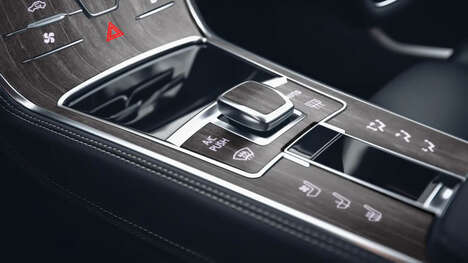
- Forust's optimized designs created by 3D printing technology present an opportunity for companies in automotive engineering to create high-performance, fuel-efficient vehicles that are also lower in weight and better for the environment, all while enhancing the look and feel of the car with digitally rematerialized wood interiors.