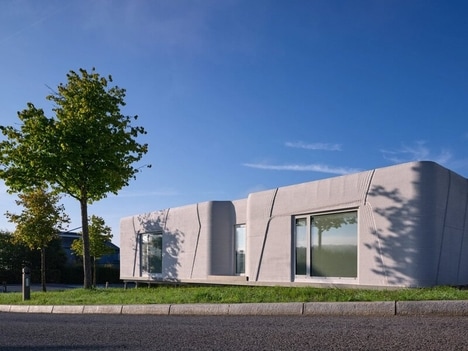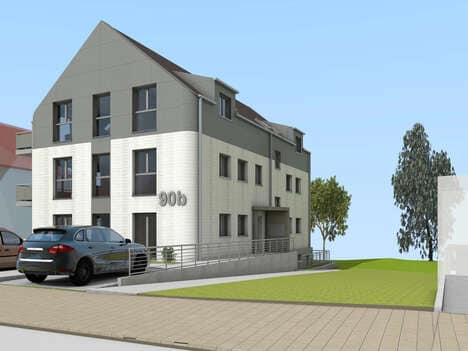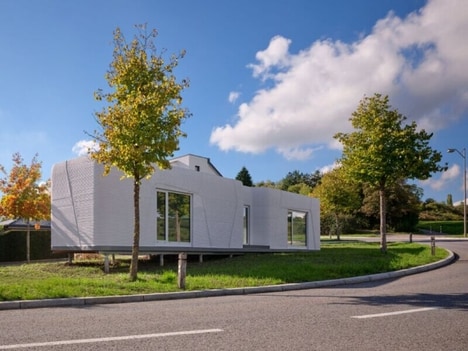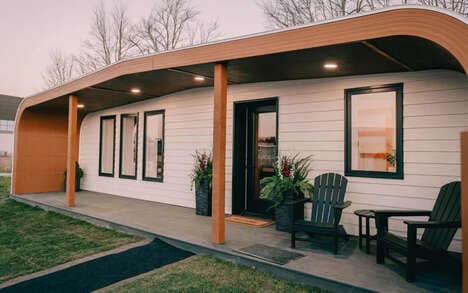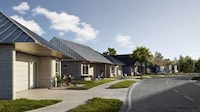
The city of Austin, Texas is known for several things including a vibrant live music scene, diverse culinary offerings and iconic buildings such as the State Capitol Building, but the city is also going to add a further badge to its list by becoming home to a massive 3D-printed neighborhood that will comprise 100 family homes.
Developed as part of a collaboration between 3D-printed construction specialists Icon, homebuilding firm Lennar and the architectural practice of Bjarke Ingels Group, this particular 3D-printed neighborhood will solely comprise single-family homes, each of which will take advantage of sustainable technologies such as solar panels to serve their energy needs.
With construction set to begin in 2022, this 3D-printed neighborhood is set to usher in a new era in the use of innovative construction techniques to create sustainable residential communities.
Image Credit: Icon
What Makes This Trend Stand Out
- 3d-printed Homes
- Innovative construction techniques and sustainable technologies present opportunities in the homebuilding industry through the use of 3D printing technology.
- Sustainable Neighborhoods
- The creation of massive 3D-printed sustainable neighborhoods that harness the latest technologies will inevitably disrupt the real estate industry.
- Collaborative Construction
- Collaboration between 3D-printed construction specialists, homebuilding firms, and architectural practices will pave the way for future innovative construction projects.
Sectors Adopting This
- Real Estate
- The use of 3D printing technology in large-scale residential developments has the potential to revolutionize the real estate industry, creating efficient and affordable housing solutions.
- Construction
- The adoption of 3D printing technology will disrupt traditional construction methods, allowing construction companies to build faster, more efficient, and ecological buildings.
- Architectural Design
- The rise of 3D printing technology in architectural design presents opportunities for architects to create larger, more complex structures that are sustainable and cost-effective.