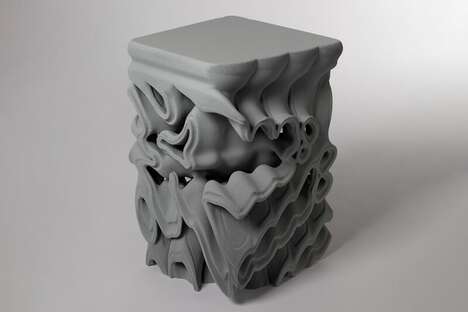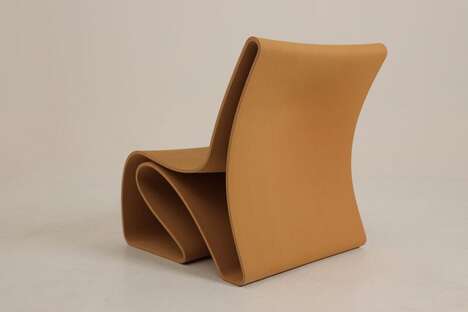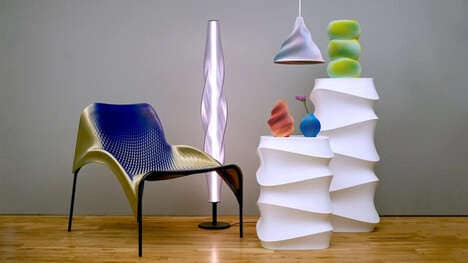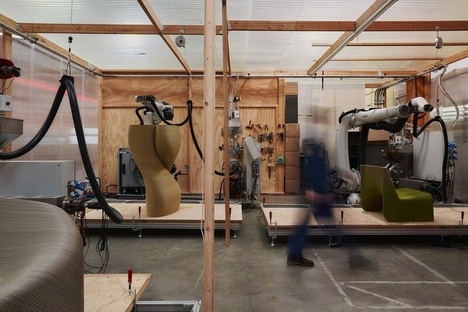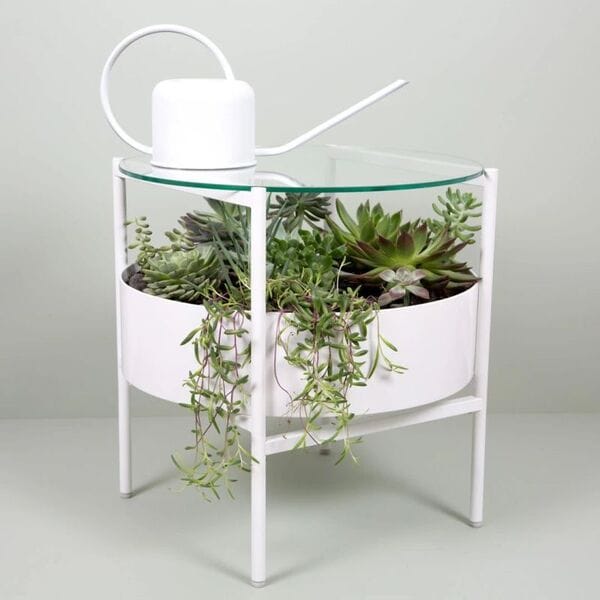
The Model No. 3D-printed furniture collection has been designed by the California-based startup as a new range of decor solutions for the home that put a focus on sustainability and the latest technological capabilities.
The collection includes a side table, coffee table, planter, storage bin and a vase, which are all crafted using a 3D printer using bio-resins instead of conventional plastics. This makes the various designs distinctly more eco-friendly compared to other varieties presently available on the mainstream market to offer consumers a stylish, eco-friendly alternative.
The Model No. 3D-printed furniture collection includes some varieties achieved with a gradient aesthetic that is made possible thanks to the aforementioned printing process. This helps to highlight and embrace the digital manufacturing process instead of trying to mask it.
Image Credit: Model No.
Why This Trend Is Growing
- Eco-friendly Decor
- The trend of eco-friendly decor using sustainable materials and 3D printing technology provides an opportunity for disruptive innovation in the home decor industry.
- 3d-printed Furniture
- The trend of 3D-printed furniture using bio-resins instead of conventional plastics provides an opportunity for disruptive innovation in the furniture manufacturing industry.
- Gradient Aesthetics
- The trend of using gradient aesthetics in 3D-printed furniture showcases the ability to embrace digital manufacturing processes, opening up disruptive innovation opportunities in the design industry.
Industries Being Reshaped
- Home Decor
- The sustainable and 3D-printed designs in the Model No. 3D-printed furniture collection highlight the opportunity for disruptive innovation in the home decor industry.
- Furniture Manufacturing
- The use of bio-resins and 3D printing technology in the Model No. 3D-printed furniture collection opens up innovative opportunities in the furniture manufacturing industry.
- Design
- The gradient aesthetics and cutting-edge 3D printing technology used in the Model No. 3D-printed furniture collection presents opportunities for disruptive innovation in the design industry.