NASA will make 3D moon data available publicly for both creators and CGI artists. NASA's 3D moon data includes both images and elevation. The release of the data specifically comes from the NASA Goddard Space Flight Center, which had been releasing the data to 3D artists but will now release it publically.
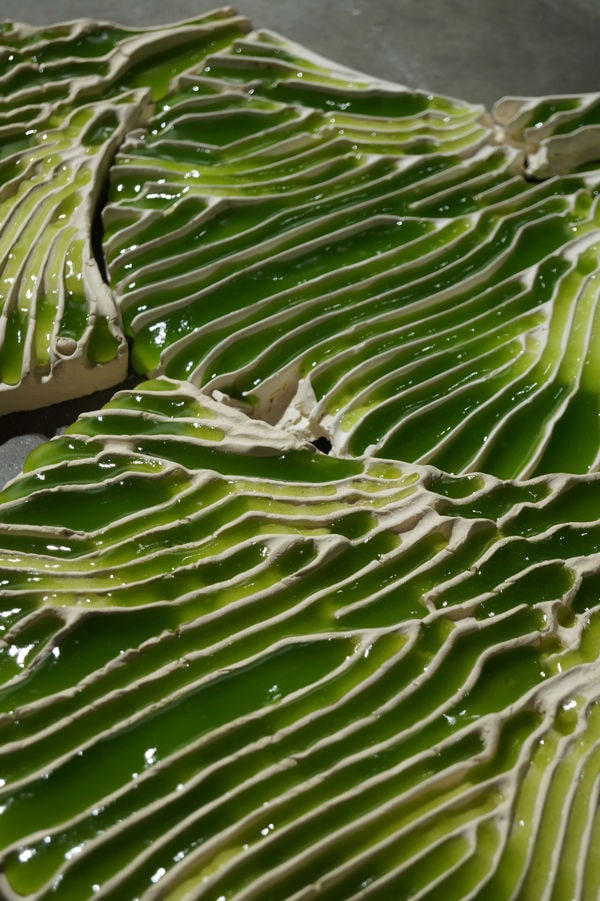
Images combined with depth readings make it much easier to create accurate 3D maps of the surface of the moon. The data was collected by the Lunar Reconnaissance Orbitor, or LRO, which has been orbiting the moon for over 10 years. The LRO has a camera that has photographed the entire surface of the moon. The data is then organized into a displacement map, which changes colors corresponding with changes in elevation.
Image Credit: NASA
What's Driving This Trend
- Public Moon Data
- Publicly accessible 3D moon data opens up opportunities for creators and CGI artists to innovate and create accurate 3D maps of the moon's surface.
- 3D Mapping
- The combination of images and elevation data allows for the development of precise 3D maps, enabling industries such as virtual tourism, space exploration, and education to leverage this technology.
- Open Data Access
- The release of NASA's 3D moon data to the public paves the way for collaborative projects, innovation, and advancements in industries such as augmented reality, virtual reality, and computer graphics.
Who This Affects Most
- CGI Art
- The availability of 3D moon data provides CGI artists with new opportunities to create realistic lunar landscapes, visual effects, and animations for movies, video games, and virtual experiences.
- Space Technology
- The accessibility of detailed moon data facilitates advancements in space exploration, rocket design, and lunar missions, allowing industry professionals to make more accurate plans and decisions.
- Educational Technology
- The inclusion of 3D moon data in educational materials and virtual learning platforms enhances students' understanding of lunar geography, geology, and space science, presenting new ways to engage and educate.